Most industrial plants need both HT and LT work. The high tension side brings power in from the grid; the low tension side delivers it to every machine. The two need different equipment, skills and safety rules.
Quick answer: in Indian plants, LT usually means the 415 V three-phase and 230 V single-phase supply that feeds your loads. HT covers incoming supply at 11 kV, 22 kV or 33 kV. A transformer sits between the two.
HT and LT work at a glance
- Voltage: HT is the 11–33 kV incoming supply; LT is the 415/230 V distribution.
- Equipment: HT uses VCBs, RMUs, HT cables and terminations; LT uses ACBs, MCCBs, MCBs and LT panels.
- Work method: HT needs planned shutdowns and permits; much LT work can be phased around production.
- Skills: HT needs crews trained and authorised for high-voltage work.
What HT work covers
Line and yard work
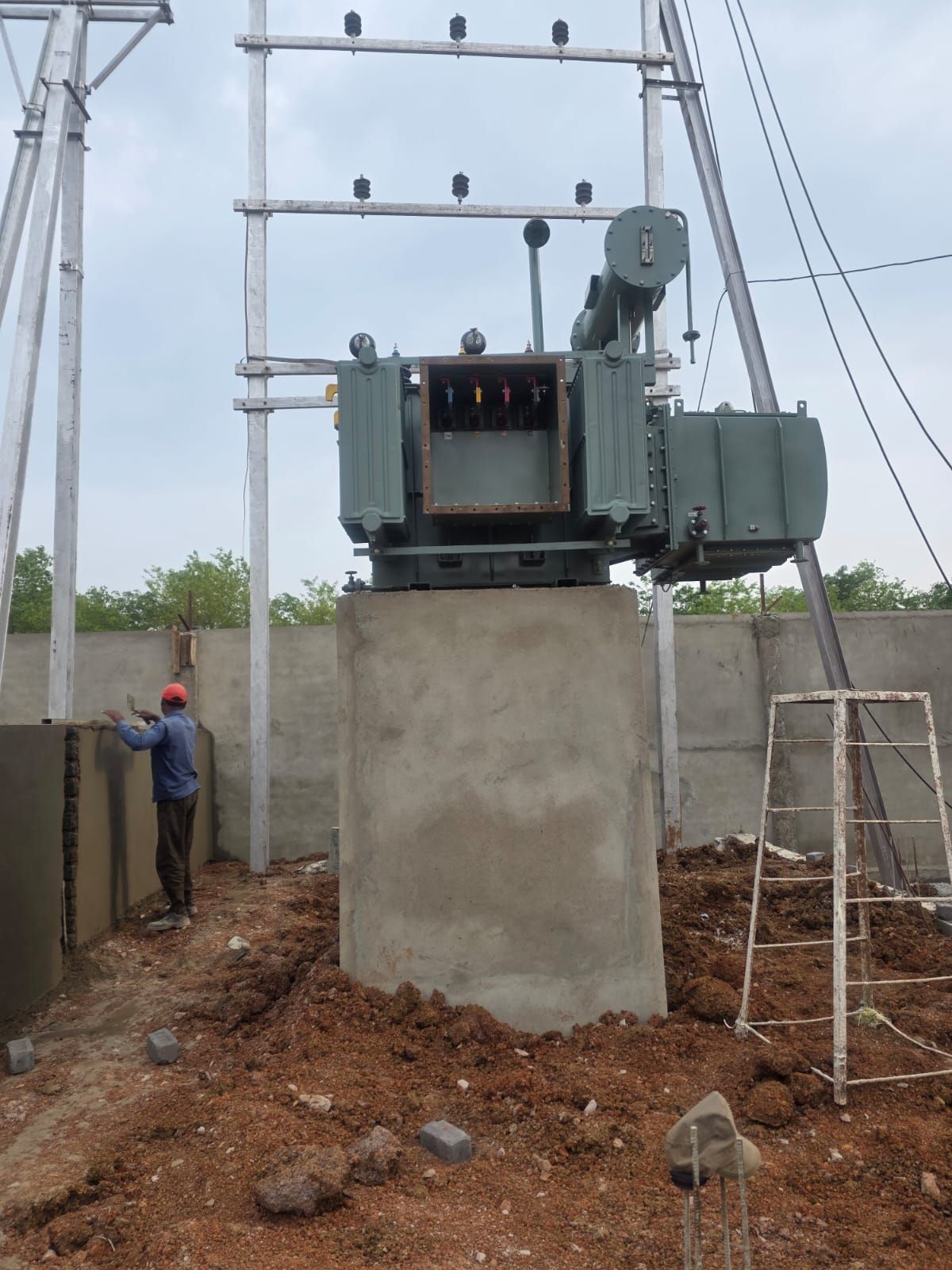
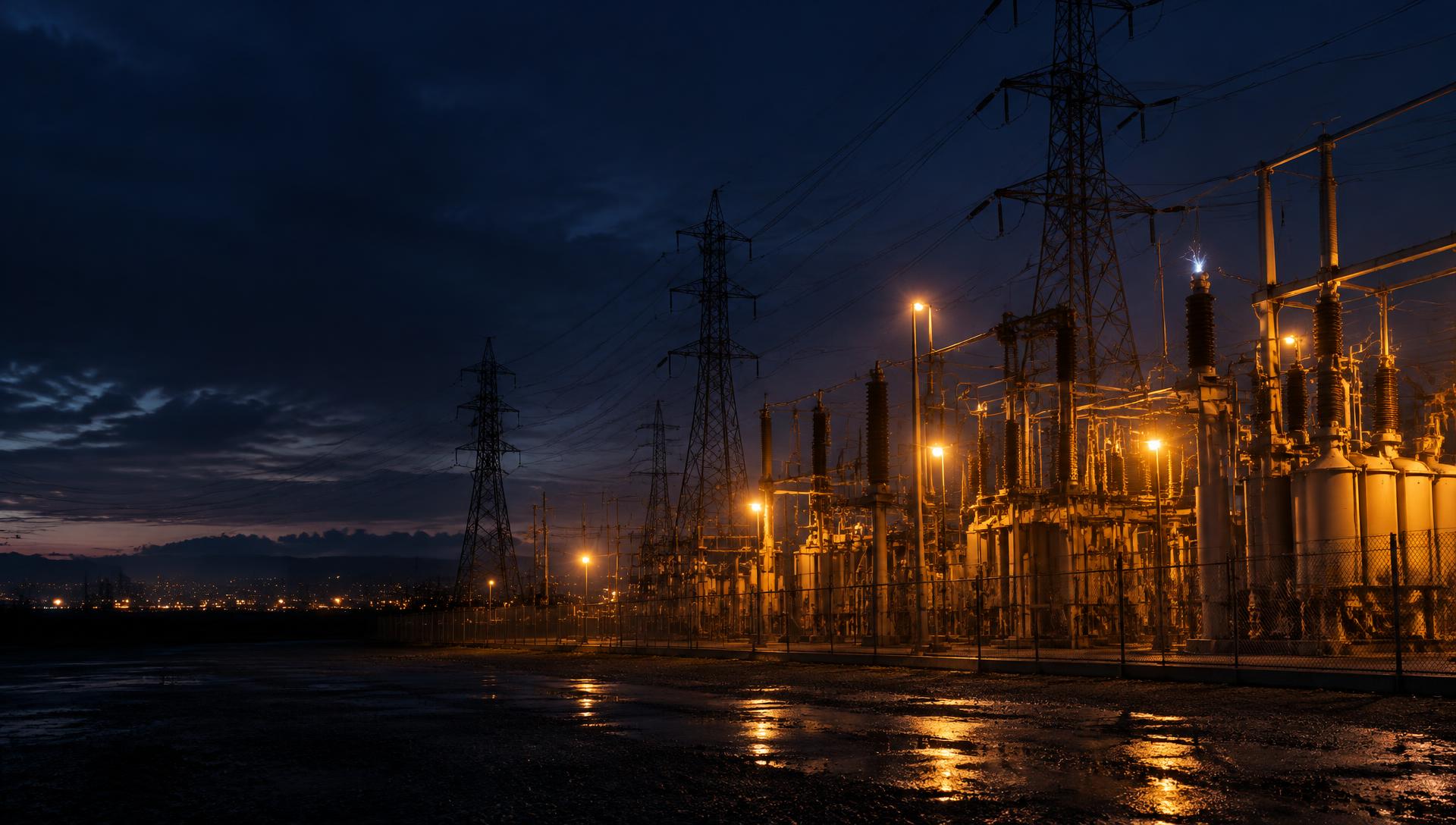
Overhead line extensions, structures, isolators and lightning arresters bring the supply to your plant. You can see examples of switchyard structures on our projects page.
HT panels and cabling
An HT panel with vacuum circuit breakers (VCBs), or a ring main unit (RMU), switches and protects the transformer. HT cables need careful laying and proper terminations.
Safety on the HT side
HT work is done under a permit-to-work system. The circuit is isolated, earthed and tested dead before anyone touches a conductor. Only authorised persons should operate HT switchgear.
What LT work covers
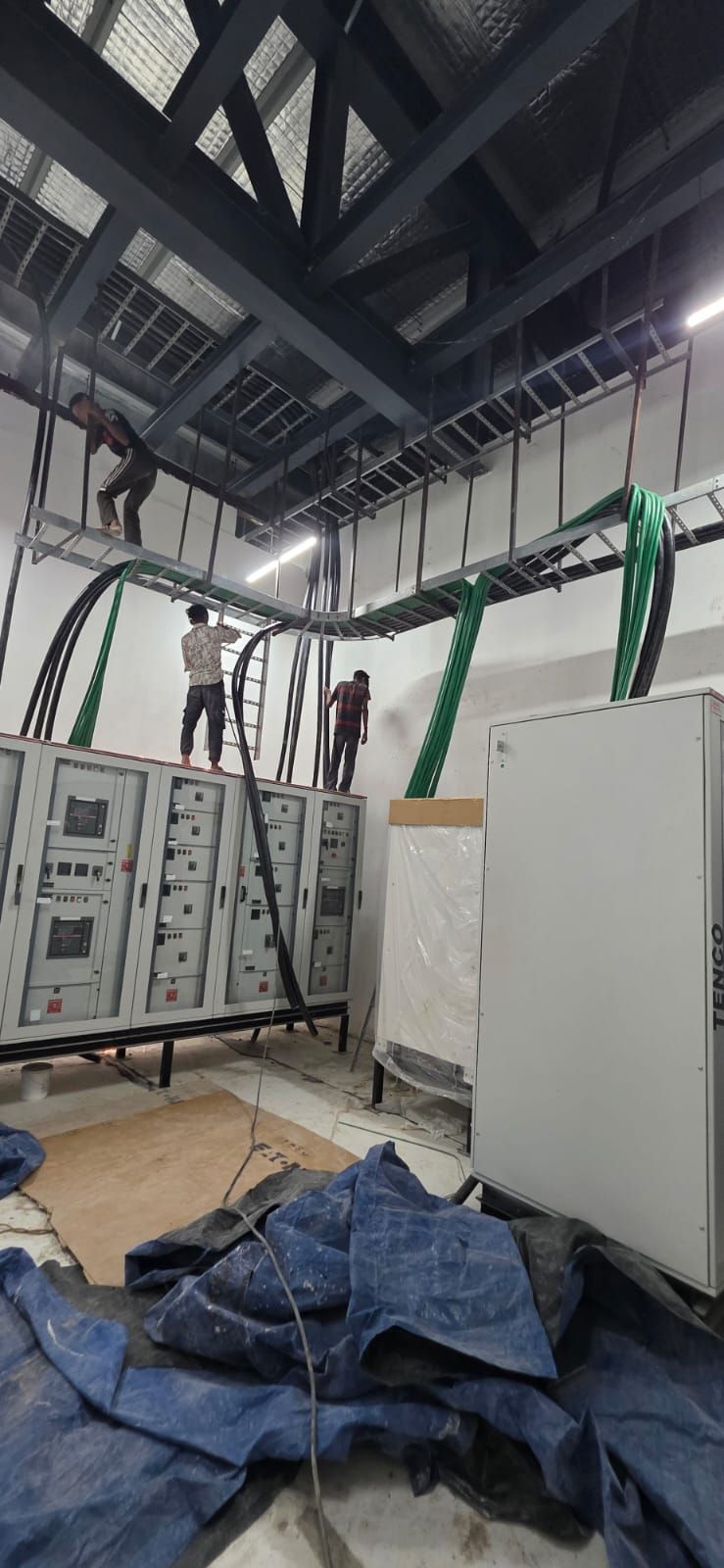
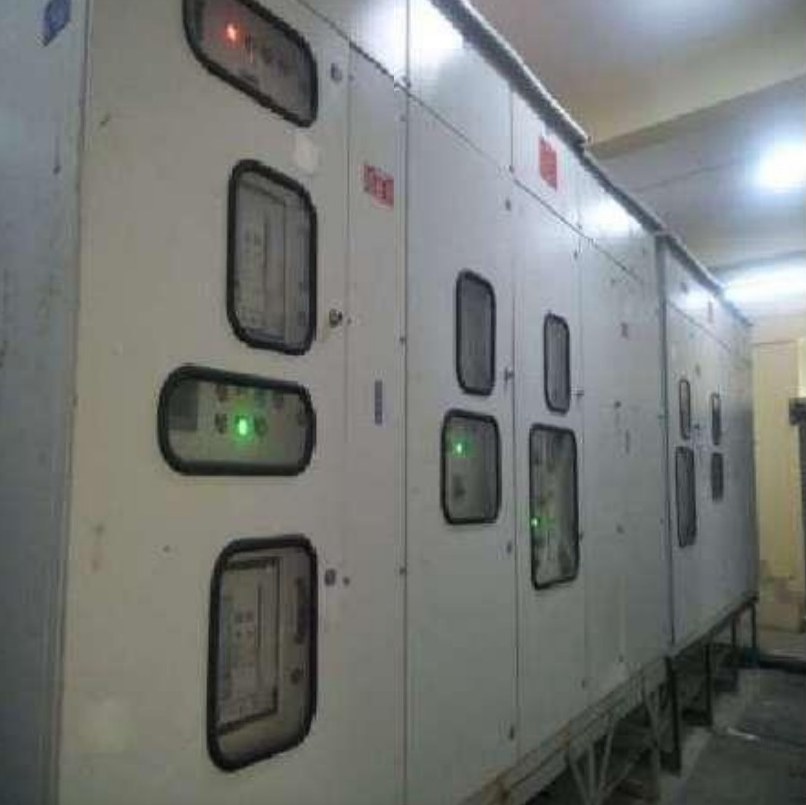
LT work covers the main LT panel, power control centres, distribution boards, MCB and MCCB boards, cabling and wiring. It is where most day-to-day reliability is won or lost. A loose termination or an undersized cable shows up as tripping, heating and downtime.
Typical LT jobs
- New LT panels and power distribution boards.
- Cable laying from the transformer to panels and machines.
- Capacitor panels for power factor correction.
- Panel upgrades when the load grows.
Where HT meets LT: the transformer
The interface between the two sides is where problems hide. The HT cable termination, the transformer, the LT cables or busduct and the main incomer must be sized and protected together. When different contractors handle each side, gaps and finger-pointing follow. Planning HT and LT work together avoids this.
Key takeaways
HT and LT work are two halves of the same system. HT is about bringing power in safely at high voltage; LT is about distributing it reliably to every load. Using one contractor for both sides avoids gaps at the interface and usually means faster commissioning.
We handle both from our base in Raipur, Chhattisgarh. Read about our HT work and LT work, or talk to us about your plant.