A distribution transformer steps the incoming HT supply down to the LT voltage your machines use. It is one of the costliest items on a plant's power project, and it usually stays in service for decades. The choice you make at the start matters.
The short answer: size it for your real load plus planned growth, pick a cooling and mounting type that suits the site, and insist on proper testing before it is charged. The sections below walk through each decision.
Size the distribution transformer for today and tomorrow
Start with your connected load, then apply a realistic diversity factor. Not every machine runs at full load at the same time. The result gives you the maximum demand, and from that the kVA rating you need.
- List every major load: motors, furnaces, compressors, lighting and air-conditioning.
- Apply diversity based on how your plant actually runs.
- Add headroom for expansion you have already planned.
- Check the power factor, because a poor power factor raises the kVA you need.
A unit that runs near full load all day ages faster and wastes more energy as heat. A unit that is far too big costs more and has higher no-load losses. The aim is a comfortable margin, not the biggest unit on the price list.
Oil-filled or dry-type?
Oil-filled units
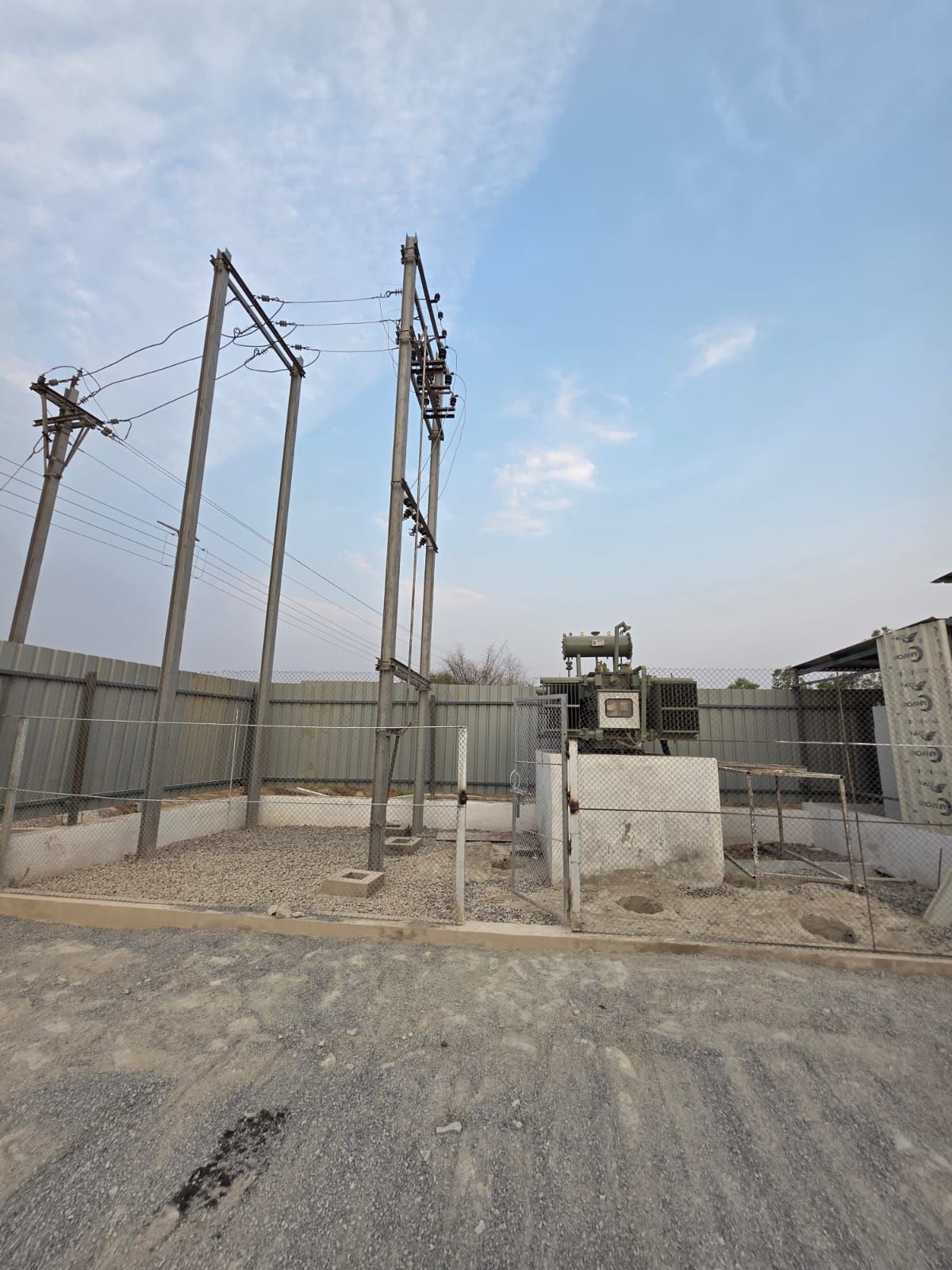
Most distribution transformers on Indian plants are oil-filled with natural cooling. They are economical, handle short overloads well and are easy to service. They need an oil soak pit, fencing and fire precautions.
Dry-type units
Dry-type units are used indoors, in commercial buildings and wherever fire risk must be kept low. They cost more for the same kVA rating, but there is no oil to handle or test.
Pole-mounted, plinth or packaged?
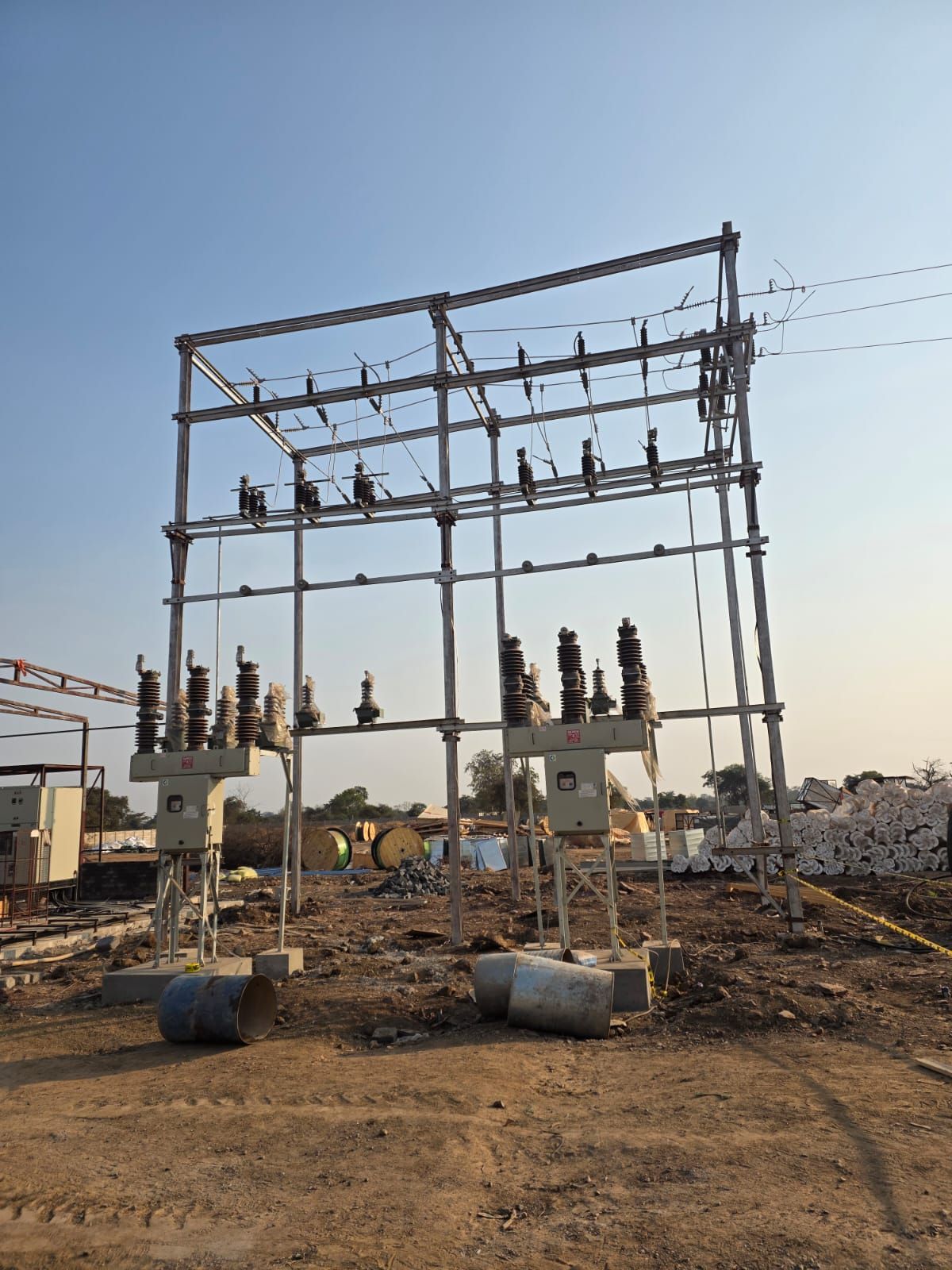
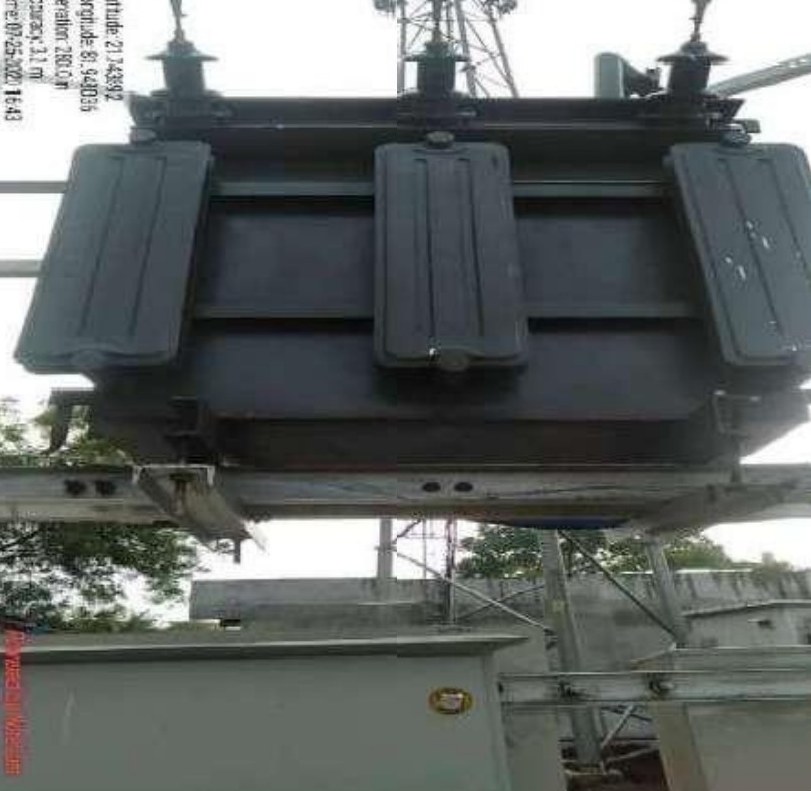
Smaller ratings are often pole-mounted to save ground space. Larger units sit on a concrete plinth with proper drainage, fencing and clear access for maintenance. Where space is tight, a packaged substation combines HT switchgear, transformer and LT panel in one enclosure.
Plan the HT and LT sides together
A transformer is only as reliable as its connections. HT terminations, LT cabling, the main LT panel and earthing should be designed as one system, not as separate jobs handed to different teams. Agree the vector group, tap range and protection settings before the order goes out.
Also check the energy efficiency level shown on the rating plate. A more efficient unit costs more upfront, but it saves on losses every hour it is switched on.
Commission it properly
Testing before the first charge catches problems while they are still cheap to fix. A good transformer installation includes:
- Insulation resistance tests on the HT and LT windings.
- Ratio and vector group checks.
- An oil breakdown voltage (BDV) test for oil-filled units.
- Earth connections for the neutral and the tank.
- Protection relay and breaker trip checks.
Ask your contractor for the test records at handover, and keep them for future maintenance.
Key takeaways
Choosing a distribution transformer comes down to four things: correct kVA sizing, the right cooling and mounting, connections planned as one system, and proper commissioning. Get those right and the unit should serve your plant for decades.
Planning a new unit or replacing an old one? See our transformer installation service, browse similar jobs on the projects page, or ask for a site survey. Our team is based in Raipur and works on sites across India.