Most industrial sites need both kinds of electrical work. High-tension supply comes in from the grid, and low-tension power runs the machines, lights and offices. Planning LT and HT work in Raipur as one project, instead of two separate jobs, saves time and avoids gaps between contractors.
This article walks through the scope on each side, how the two connect, and what to prepare before work begins. If you need a quick refresher on the difference first, read our guide to HT vs LT work.
What falls under HT work
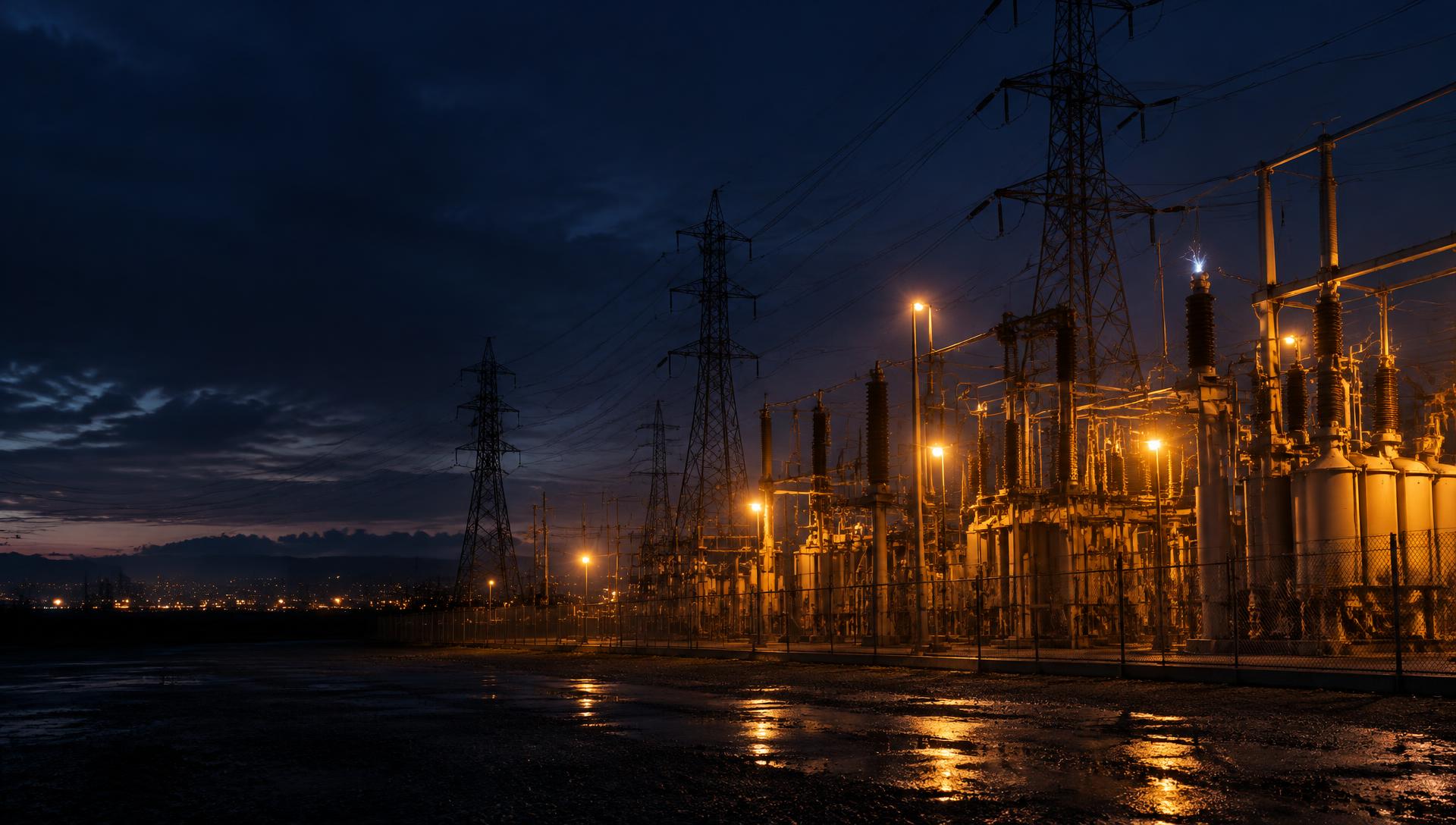
HT work covers everything on the high-voltage side of your supply. On most industrial and commercial sites in this region, that means 11 kV or 33 kV. Typical HT scope includes:
- HT overhead line or underground cable from the supply point.
- HT panel or VCB erection and connections.
- RMU and metering connections where required.
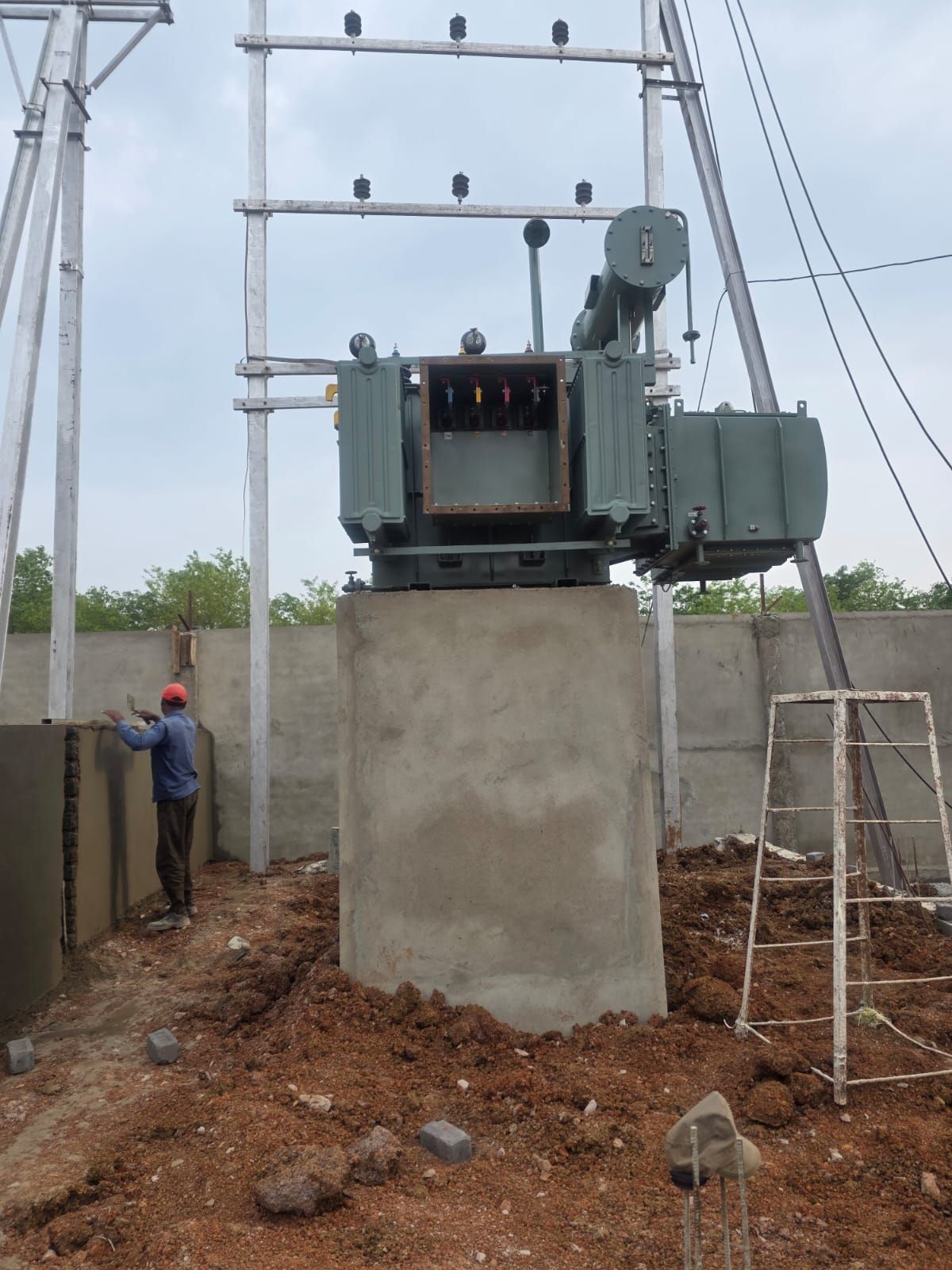
- Transformer HT side termination.
- HT cable jointing and terminations.
- Protection relay connections and earthing of HT equipment.
HT work needs careful shutdown planning. Supply is usually switched off at a fixed time, and the crew must complete the job within that window. Good preparation before the shutdown makes the difference between a smooth job and a delayed start-up.
What falls under LT work
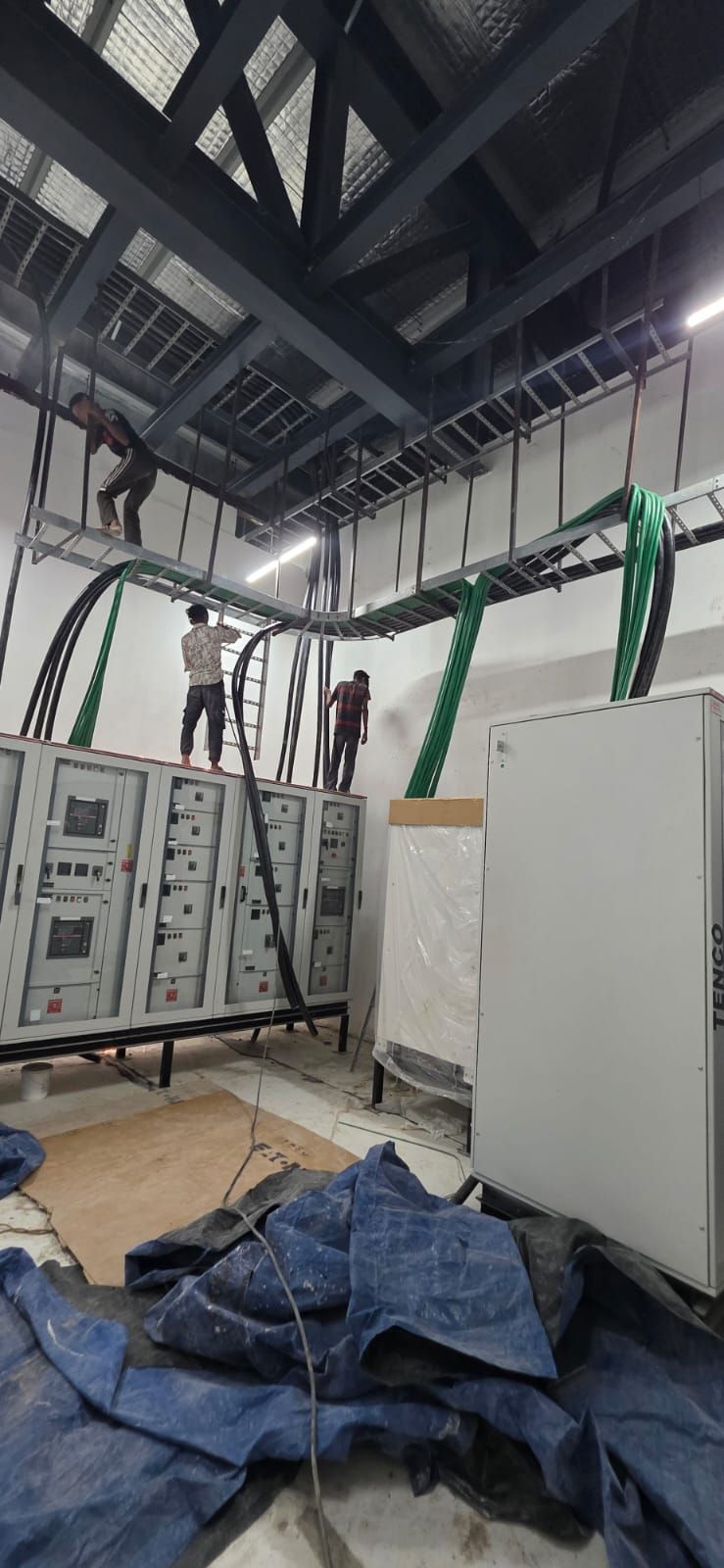
LT work starts at the transformer secondary and runs to every load on site. It is usually larger in volume, with more panels, cables and terminations. Typical LT scope includes:
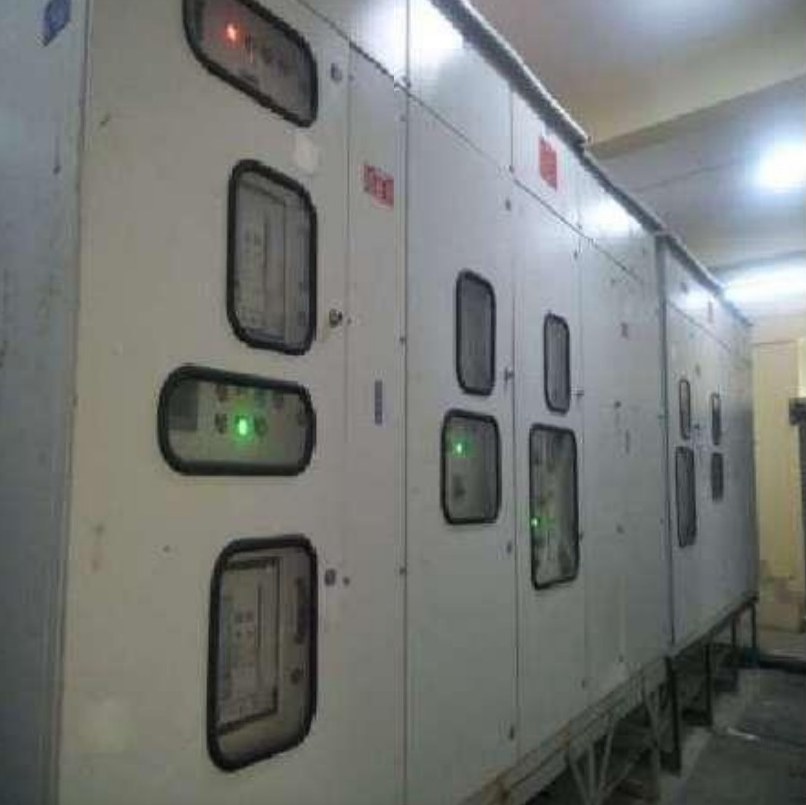
- Main LT panel, PCC and MCC panels.
- Distribution boards, feeder pillars and APFC panels.
- Power and control cabling, cable trays and trenches.
- Machine connections, lighting and plant wiring.
- Earthing for panels, motors and structures.
LT work is often where expansion happens. New machines, new sheds and new feeders all connect on the LT side, so a clean, well-labelled LT panel makes future work much easier.
Planning LT and HT work in Raipur as one project
When one contractor handles both sides, the interface is designed properly. The HT side, transformer and main LT panel must match in rating and protection. Mismatches here cause tripping, overheating or wasted capacity.
Start with the single line diagram
A single line diagram shows the whole system on one page: supply, HT panel, transformer, LT panels and major feeders. Agree it before ordering materials. It becomes the reference for cable sizes, breaker ratings and protection settings.
Fix the shutdown sequence
List every task that needs a shutdown and group them. Pre-lay cables, pre-assemble panels and complete earthing before the shutdown day. Then the live-side connections can be finished quickly.
Agree testing and handover
Decide which tests will be done, who will witness them and how results will be recorded. This avoids arguments at the end of the job.
Safety on HT and LT sites
Safety comes first on both sides. HT work needs permit-to-work, proper isolation, discharge and earthing of lines before anyone touches them. LT work needs lock-out on live panels and correct PPE for every crew member.
Ask your contractor how they manage these steps. A clear safety process protects your workers, your equipment and your production schedule.
Common mistakes to avoid
A few problems show up again and again on industrial sites. Most are easy to prevent at the planning stage.
- Undersized cables chosen to save cost, which then overheat under full load.
- No spare feeders in the LT panel, forcing a new panel for small expansions.
- Earthing done last and in a hurry, after cable trenches are closed.
- Missing labels, so nobody knows which feeder supplies which machine.
- No test records, which makes later fault finding slow and costly.
What to prepare before work begins
A little preparation from the owner's side speeds up the whole project. Before the contractor mobilises, try to have the following ready:
- The sanctioned load and supply voltage from the supply company.
- A site plan showing the transformer, panel room and main loads.
- A list of machines with their ratings, present and planned.
- Any existing drawings, test reports and cable schedules.
- Access arrangements, storage space for materials and a safe area for the crew.
Share this information early. It helps the contractor size cables and breakers correctly, plan trench and tray routes, and order the right materials. It also makes the quote more accurate, because there are fewer unknowns. For LT and HT work in Raipur, this early data also helps when applying to the supply company for new or extra load.
Think about future expansion
Plants rarely stay the same size. Leave space in the panel room, keep spare ways in distribution boards and choose a transformer rating with some margin. A small extra cost today can avoid a full shutdown and rework when you add the next production line.
Plan maintenance access
Panels need clearance in front and behind for safe operation and maintenance. Cable trenches need covers that can be lifted. Earth pits need chambers that stay accessible. These details are easy to include during installation and hard to add later.
Key takeaways
LT and HT work in Raipur goes smoothly when it is planned as one system, from the supply point to the last machine. Agree the single line diagram, plan shutdowns carefully, build in spare capacity and insist on recorded testing.
Bari Electrical Services handles HT work and LT work for industrial, colony and infrastructure projects. Browse all our services, or contact us to plan your LT and HT work in Raipur. You can also call 70006-76224 or 73890-14890.