Government departments, local bodies and public sector units spend a large share of their budgets on electrical works. New offices, hospitals, schools, roads, colonies and street lighting all need reliable power. A government electrical contractor in Chhattisgarh carries out this work under a tender, following the department's drawings, specifications and rules.
Tender work is different from private work. The scope is fixed in the tender documents, materials must meet listed specifications, and every item is measured and checked before payment. This guide explains how government electrical work is usually executed and what makes a project go smoothly.
What government electrical tender work includes
Electrical tenders cover a wide range of work. Common examples include:
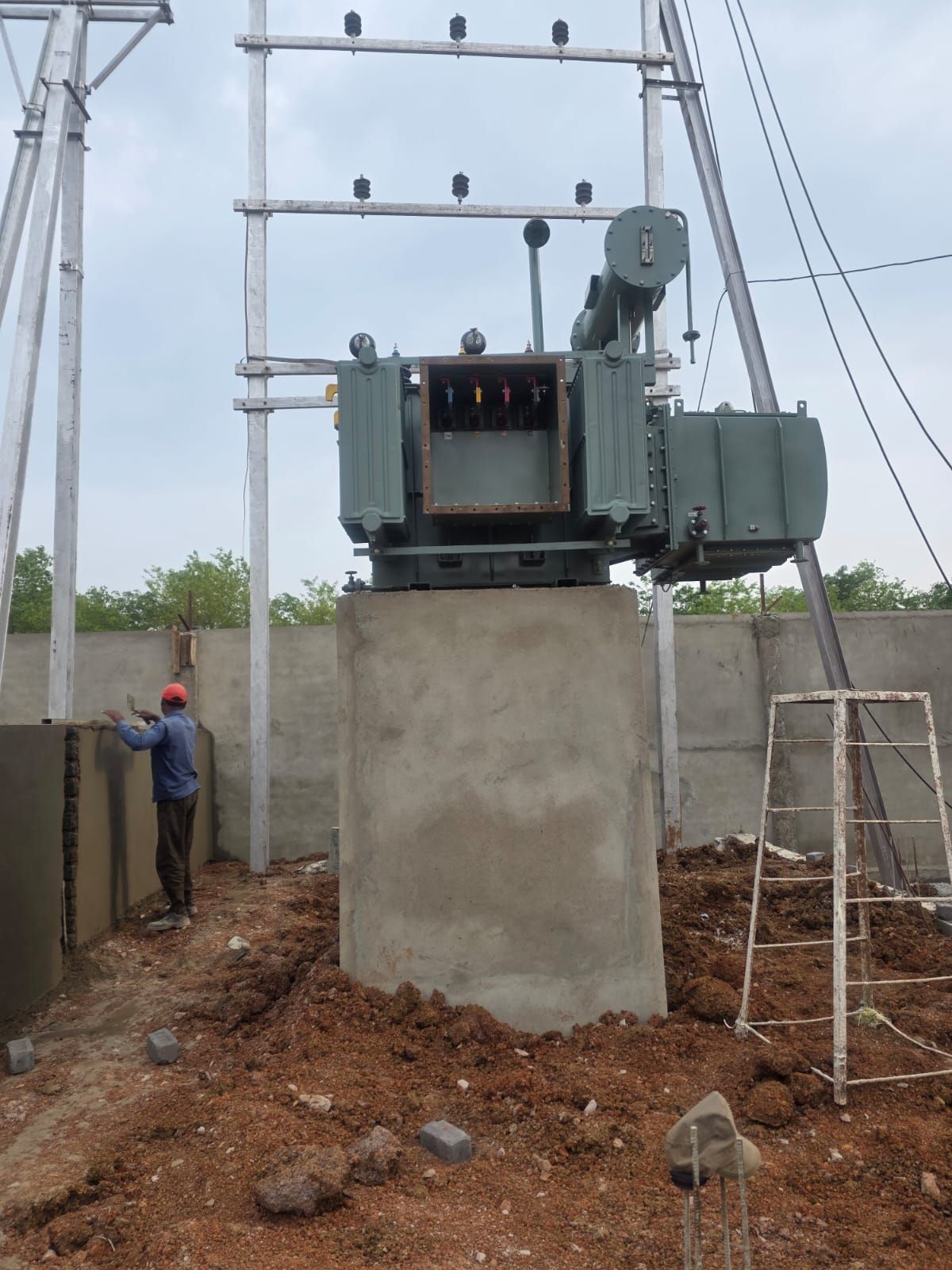
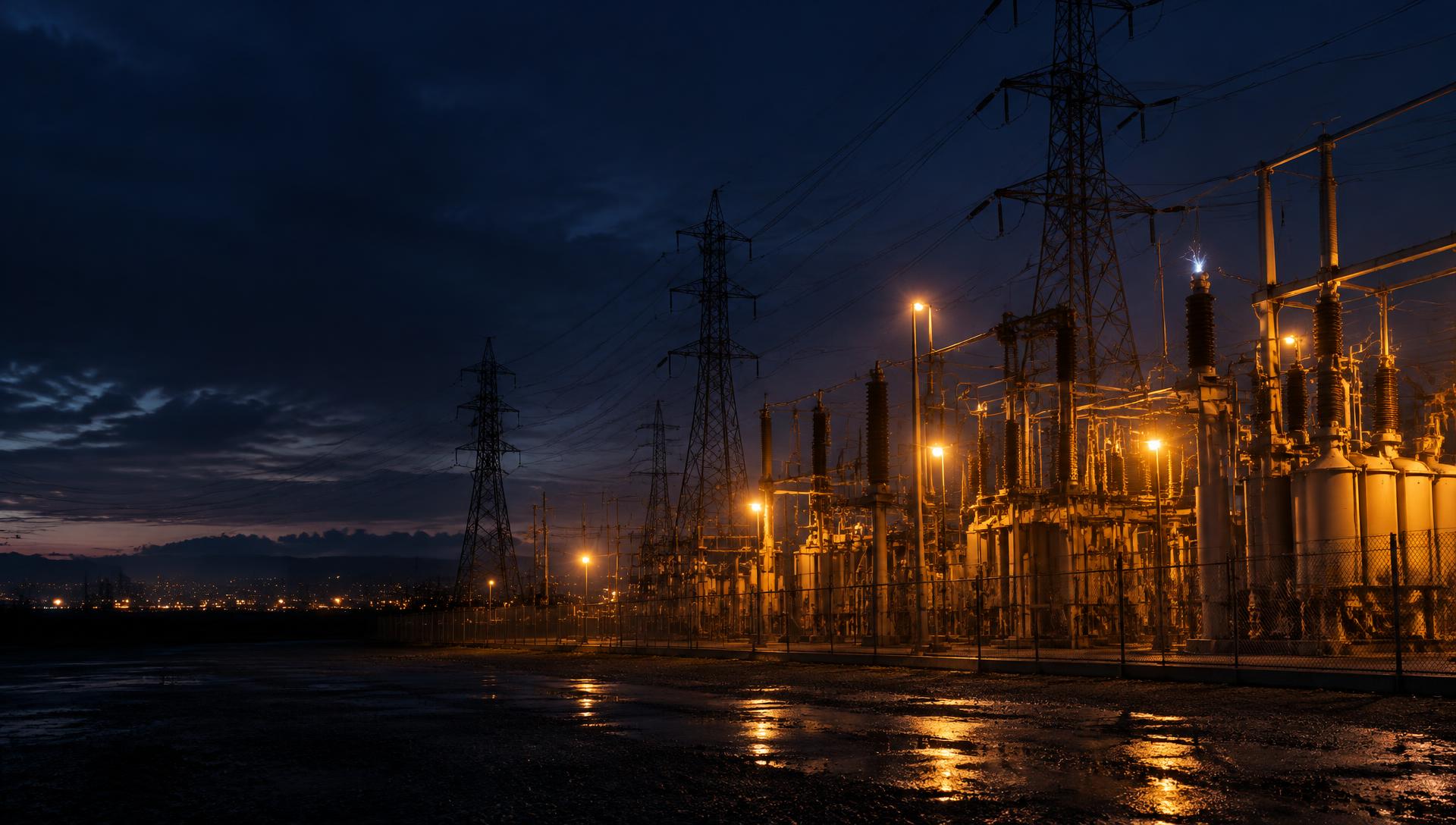
- HT line work and substations for public buildings and colonies.
- Distribution transformers, LT lines and feeder pillars.
- Street light installation on roads, highways and in towns.
- Internal electrification of offices, hospitals, schools and hostels.
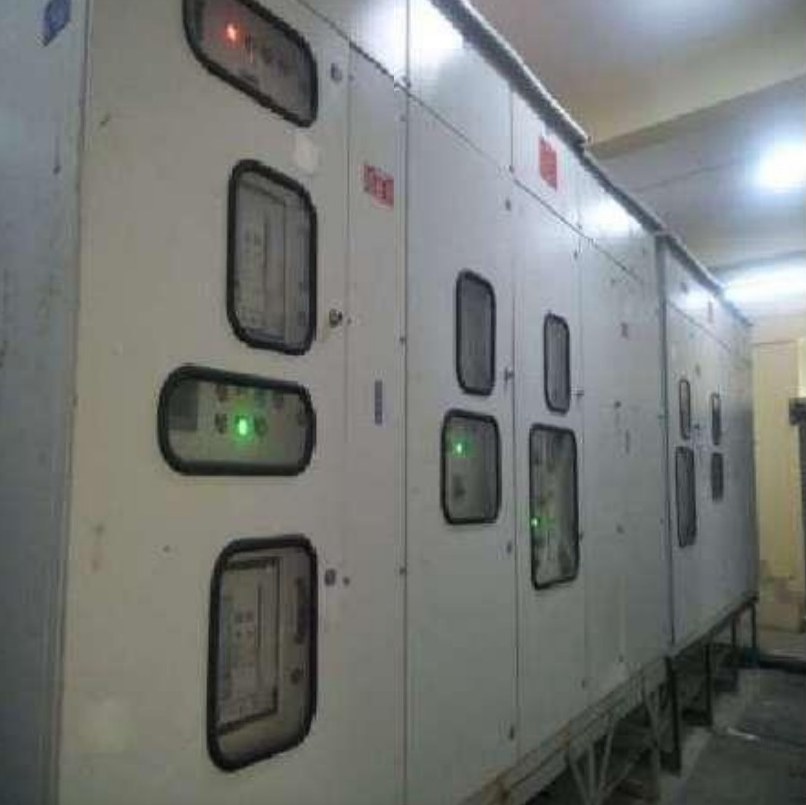
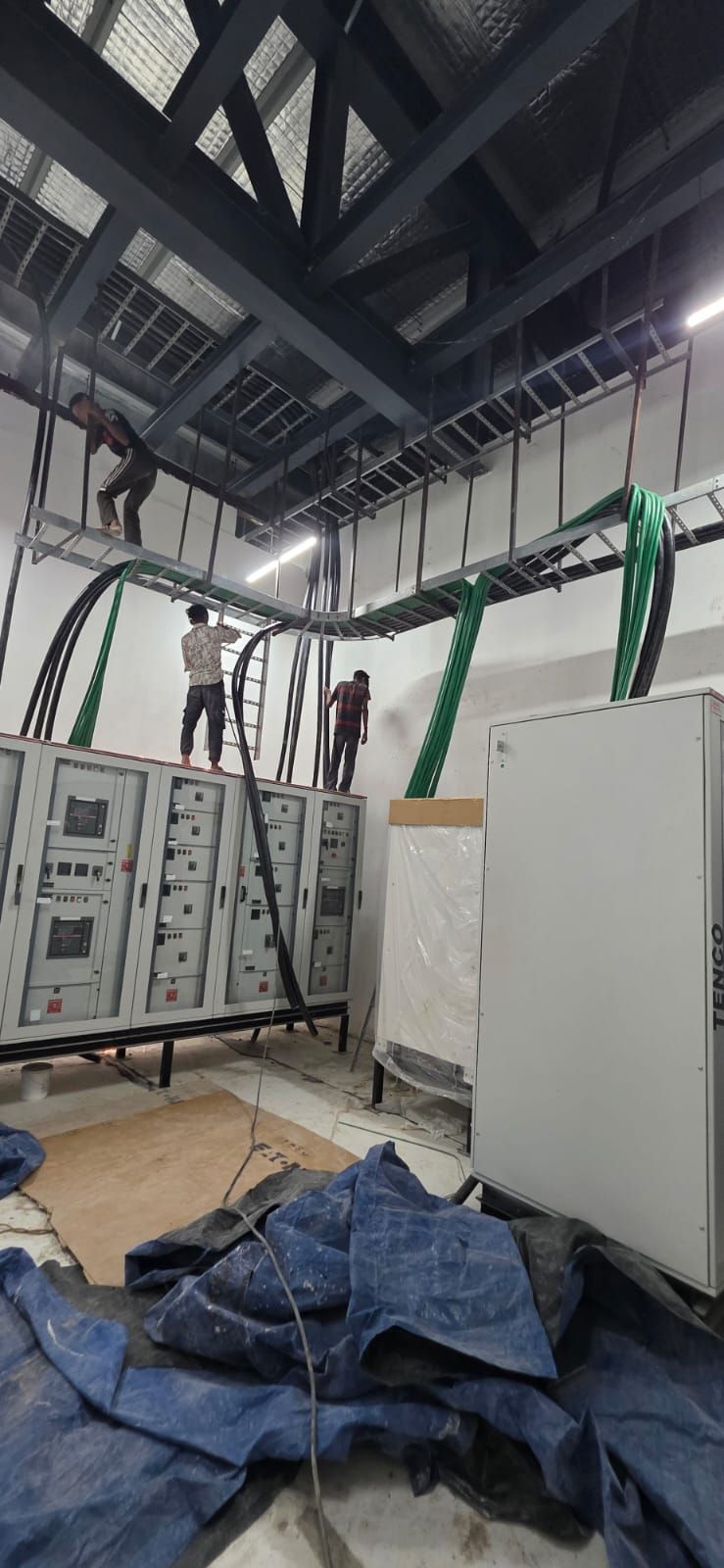
- Panel installation, earthing and lightning protection.
- Maintenance contracts for existing installations.
Some tenders are for a single item of work. Others combine civil, electrical and mechanical scope, with electrical work as one package inside a larger project.
Understanding the tender documents
Every tender comes with a set of documents. Reading them carefully before work starts avoids disputes later.
Bill of quantities
The bill of quantities lists each item of work, its unit and the estimated quantity. Payment is made against measured quantities of these items.
Technical specifications
Specifications describe the materials, makes and methods to be used. Departments often list approved makes for cables, panels, fittings and switchgear.
Drawings and conditions
Drawings show what is to be built and where. The conditions of contract cover timelines, penalties, testing and defect liability.
A good contractor reads all of these together and raises questions early, before materials are ordered.
How a government electrical contractor in Chhattisgarh executes the work
Execution follows a clear sequence. Each step is usually checked by the department's engineer.
- Site survey and layout marking as per drawings.
- Material approval, with samples or test certificates where required.
- Installation as per specifications, with stage-wise inspections.
- Measurement of completed work, recorded jointly.
- Testing of the installation, with results documented.
- Commissioning and handover to the department.
Joint measurement is important. When the contractor and the engineer record quantities together at each stage, billing becomes faster and disputes become rare.
Quality and safety on public projects
Public projects are open to inspection at any time. Quality has to be consistent from the first pole to the last light.
- Use only approved materials and keep their test certificates.
- Follow the specified cable sizes, earthing details and mounting heights.
- Keep the site tidy, barricaded and safe for the public.
- Follow permit and isolation procedures on all live work.
- Maintain daily records of work done and materials used.
Roadside and street lighting work needs extra care, because traffic and pedestrians are close by. Our guide to street light installation in Raipur covers this in more detail.
Planning the programme and materials
Government projects have fixed completion dates, and delays can attract penalties. A realistic programme, agreed at the start, keeps the work on track.
- Break the work into stages that match inspection and billing points.
- Order long-lead items such as transformers, panels and poles early.
- Plan shutdowns for HT connections well in advance with the supply authority.
- Keep a buffer for monsoon months, when trenching and pole work slow down.
Material planning matters just as much. Approved makes may need to be ordered from specific dealers, and test certificates must arrive with each consignment. A government electrical contractor in Chhattisgarh who plans procurement early avoids idle crews and rushed work at the end. For a government electrical contractor in Chhattisgarh, the monsoon buffer is especially important, because heavy rain can stop outdoor work for days at a time.
Before handover, the installation is tested and the results are submitted. Typical tests include insulation resistance, earth resistance, and functional checks of panels, lights and protection.
After handover, most contracts have a defect liability period. During this time, the contractor must rectify any defects caused by faulty material or workmanship. Doing the job right the first time keeps this period simple and protects the contractor's reputation with the department.
Tips for departments and project engineers
Departments also benefit from a well-run contract. A few practices help:
- Share clear drawings and specifications at the start.
- Fix inspection stages so work is not held up waiting for checks.
- Make shutdown permissions available on time for HT connections.
- Record measurements regularly instead of only at the end.
When both sides plan together, public projects finish on time and work reliably for years.
Next steps
Whether you are a department planning electrical works or a main contractor looking for an electrical partner, start with a clear scope and drawings. Then discuss execution, timelines and testing in detail.
Bari Electrical Services takes up government electrical tender work alongside industrial projects, covering HT work, LT work, distribution, street lighting and earthing. If you need a government electrical contractor in Chhattisgarh, see our services or contact us. For related reading, see electrical distribution work. You can also call 70006-76224 or 73890-14890.