Power has to travel a long way before it reaches a factory, a colony or a street light. Transmission and distribution, or T&D, is the network that carries it. Electrical distribution work in Chhattisgarh covers the last and most visible part of that journey, from HT lines down to the LT supply at each consumer.
Distribution networks are built for industrial areas, new colonies, townships and expanding towns. They are also upgraded when loads grow. This guide explains what a T&D project includes, how it is built and what makes the network reliable.
What transmission and distribution means
Transmission lines carry bulk power at very high voltages over long distances. Distribution starts at substations, where the voltage is stepped down. From there, the network runs at lower voltages to the end users.
On most distribution projects, the work involves:
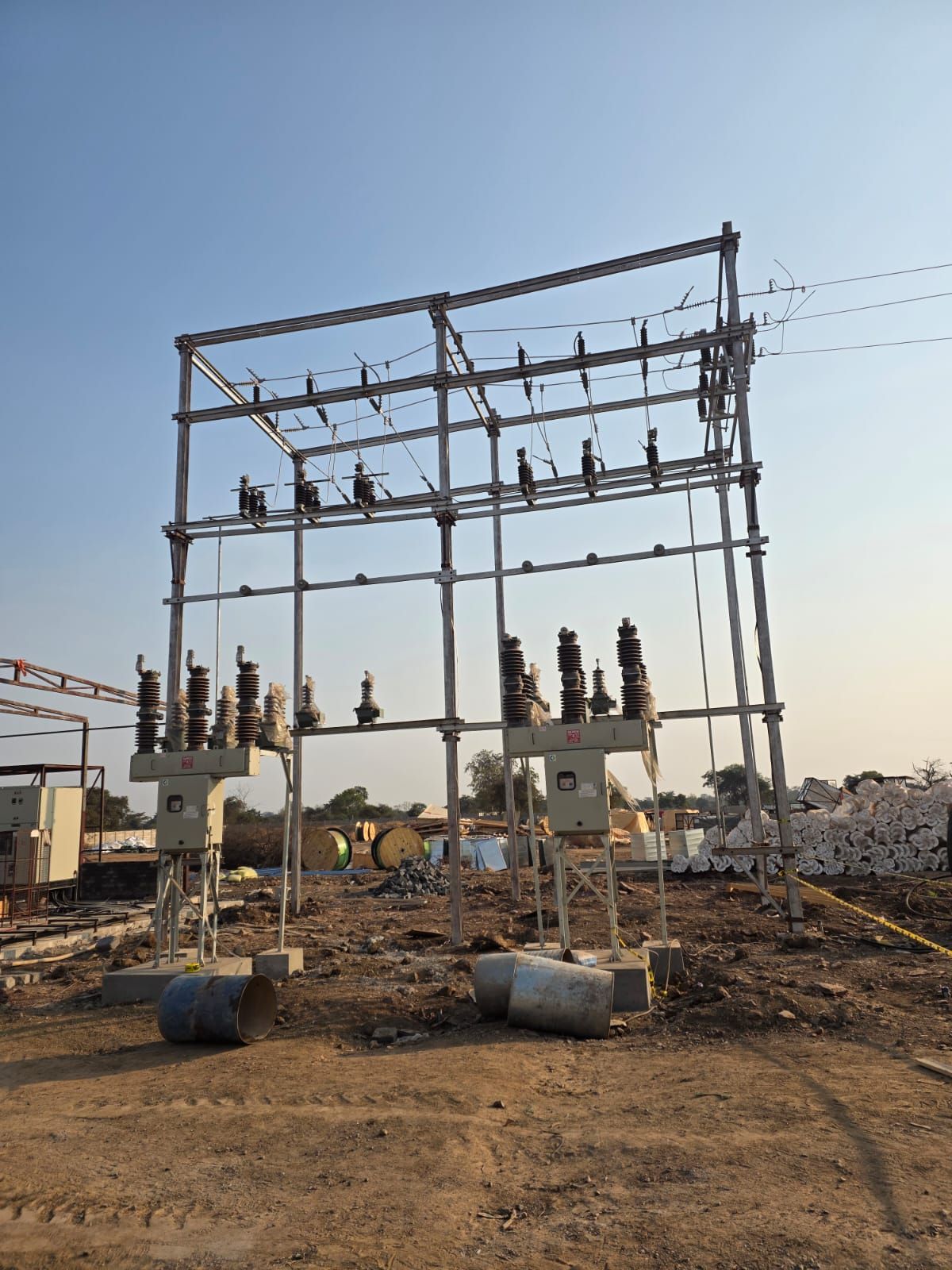
- 33 kV or 11 kV HT lines from a substation or tapping point.
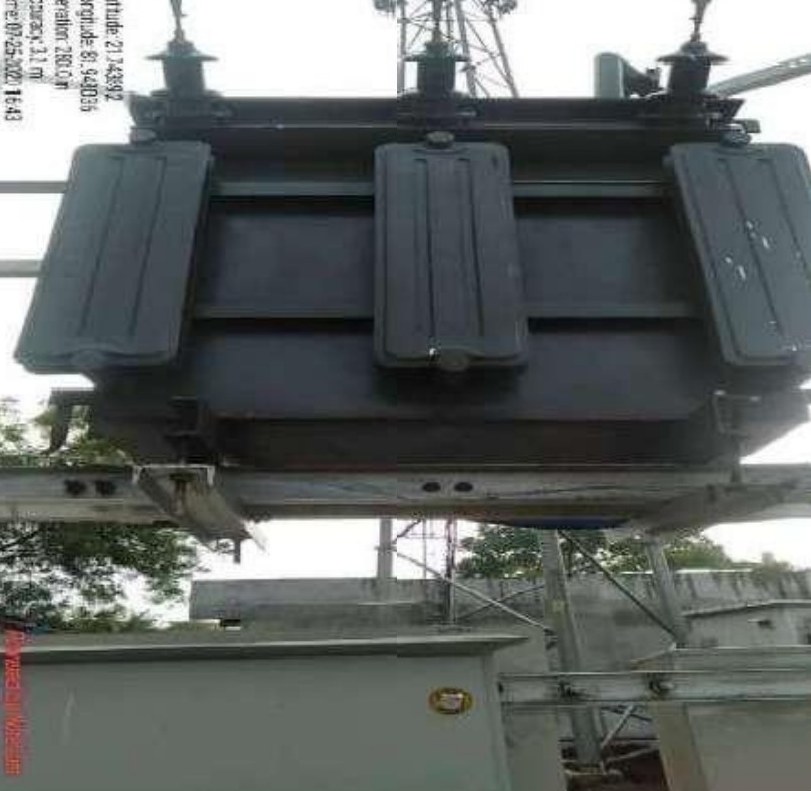
- Distribution transformers that step the voltage down to LT.
- LT network lines or cables that run to consumers.
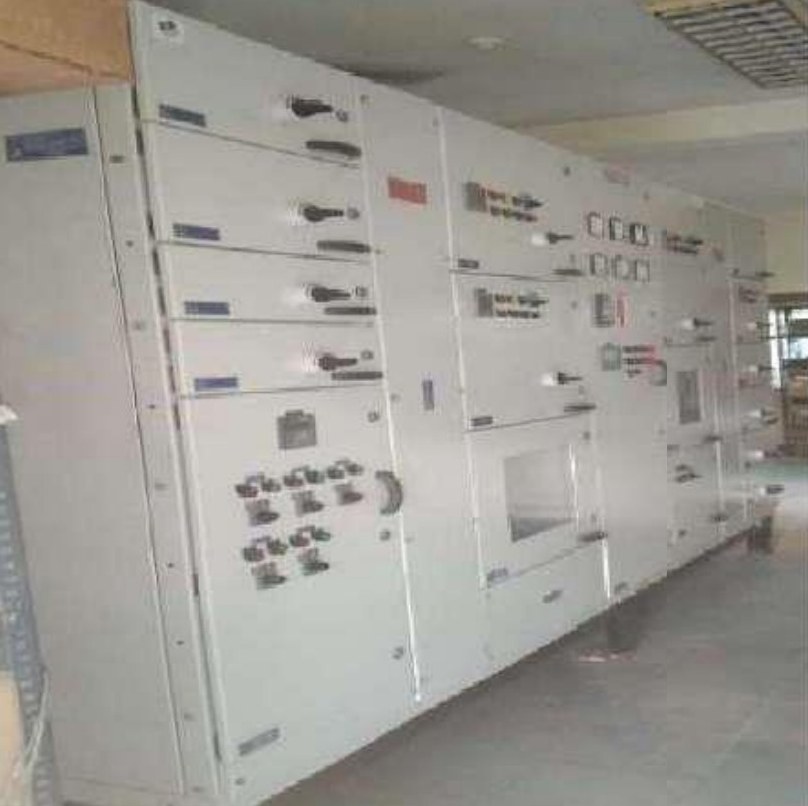
- Feeder pillars and distribution boxes that split the supply.
- Service connections, metering points and street lighting circuits.
Each level needs correct sizing, protection and earthing.
Electrical distribution work in Chhattisgarh: typical project types
Distribution projects come in many forms. Some of the most common are:
Industrial area supply
Plants in industrial zones often need dedicated HT lines, transformers and internal distribution. Loads are large and supply must be reliable.
Colonies and townships
Residential colonies, including industrial colonies attached to plants, need a planned network of transformers, LT cables and feeder pillars, plus street lighting.
Network extension and upgrades
When a town or area grows, old lines and transformers get overloaded. Upgrades add new transformers, larger conductors and better protection.
Planning a distribution network
A good network starts with a clear load estimate. The designer counts present and future loads, then decides where transformers should go and how big they should be.
- Estimate the load for each area, with a margin for growth.
- Place transformers close to load centres to reduce LT losses.
- Choose HT and LT routes that are safe, accessible and approved.
- Select conductor and cable sizes to keep voltage drop within limits.
- Plan protection at each level, from HT fuses to LT breakers.
- Design earthing for transformers, poles and feeder pillars.
Keeping LT lines short is one of the easiest ways to cut losses and improve voltage. That is why transformer placement matters so much.
Overhead lines or underground cables?
Both have their place. Overhead lines cost less and are quicker to build and repair. They suit open areas and longer routes. Underground cables cost more but are safer, neater and less affected by storms, trees and birds. They suit colonies, city roads and plant premises.
Many projects use a mix. HT may run overhead to a transformer, with LT distribution underground to houses and feeder pillars. Our guide to cable laying in trenches, trays and ducts explains the underground side in more detail.
Installing distribution transformers
Distribution transformers are either pole-mounted or placed on a plinth. Pole-mounted units suit smaller ratings and open areas. Plinth-mounted units suit larger ratings and sites with enough space.
- The structure or plinth must be strong, level and protected from water.
- HT fuses or breakers and lightning arresters protect the transformer.
- The neutral and body must be connected to separate, tested earth pits.
- LT side connections go to a distribution box or feeder pillar.
For more on selecting ratings, see our guide to choosing the right transformer.
Safety during line and network work
Distribution work often happens next to live lines and public roads. Safety has to be planned for the crew and for the people around them.
- Take a permit and confirm isolation before working on any line.
- Prove the line dead and put temporary earths on both sides of the work.
- Use barricades and signs when digging trenches or erecting poles near roads.
- Keep ladders, ropes and tools in good condition and check them daily.
A clear safety routine keeps the project on schedule. Accidents and near misses stop work far longer than the few minutes these checks take. For electrical distribution work in Chhattisgarh, where many lines run along busy roads and village paths, public safety deserves the same attention as crew safety.
Before any part of the network is charged, it should be tested and checked.
- Insulation resistance of HT and LT cables and transformers.
- Earth resistance of every transformer and pole earth pit.
- Sag, clearance and alignment of overhead conductors.
- Correct phase sequence and voltage at consumer points.
Keep records of every test, along with route maps and transformer details. These help the operator maintain the network and plan future upgrades.
Keeping the network reliable
Reliability depends on maintenance as much as on construction. Trees near lines should be trimmed. Insulators should be cleaned and checked. Loose connections at transformers and feeder pillars should be tightened. Earth pits should be re-tested before the monsoon.
Good electrical distribution work in Chhattisgarh plans for heat, dust and heavy rain from the start. Weatherproof enclosures, proper drainage at plinths and good earthing reduce faults during storms.
Next steps
If you are planning a new colony, an industrial supply or a network upgrade, start with a load estimate and a site plan. Then ask for a survey and a written proposal.
Bari Electrical Services takes up electrical distribution work in Chhattisgarh, including transmission and distribution projects, transformer installation and HT work. Browse our services, or contact us. You can also call 70006-76224 or 73890-14890.