Well-lit roads are safer for drivers, cyclists and people on foot. Colonies, plant premises, campuses and public roads all depend on reliable street lighting. Proper street light installation in Raipur covers much more than fixing lights on poles. It includes layout, cabling, control, earthing and maintenance.
This guide explains how a street lighting project is planned and installed, and what keeps the lights working through heat, dust and monsoon storms.
Where street lighting is needed
Street lighting projects come from many sources. Some common ones are:
- Public roads and highways under government departments and local bodies.
- Residential colonies and townships, including industrial colonies.
- Plant premises, internal roads, parking areas and gates.
- Campuses such as hospitals, schools and offices.
Each site has different needs for light level, pole height and control.
Planning street light installation in Raipur
Good lighting starts with a simple design. The aim is even light on the road, with no dark patches between poles.
Pole layout and spacing
Pole spacing depends on pole height, the road width and the light output of the fitting. Poles can be on one side, both sides or in the central median. Spacing that is too wide leaves dark gaps; too close wastes money.
Choosing fittings
LED street light fittings are now the usual choice. They use less energy, last longer and give better colour than older lamps. Choose fittings with suitable protection against dust and water for outdoor use.
Mounting height and bracket
The mounting height and bracket length affect how the light spreads. Taller poles suit wider roads. Shorter poles suit colony lanes and pathways.
Power supply and cabling
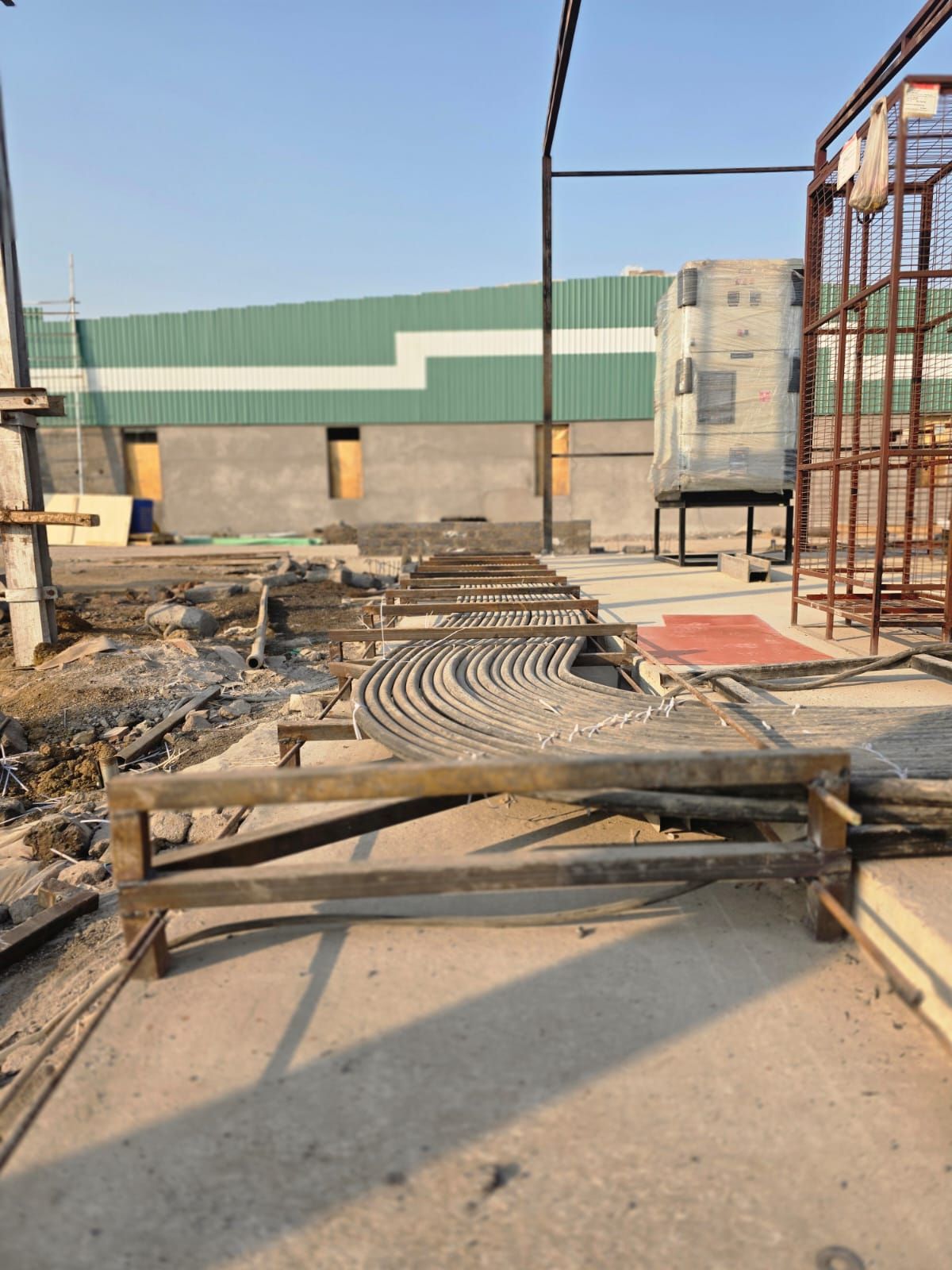
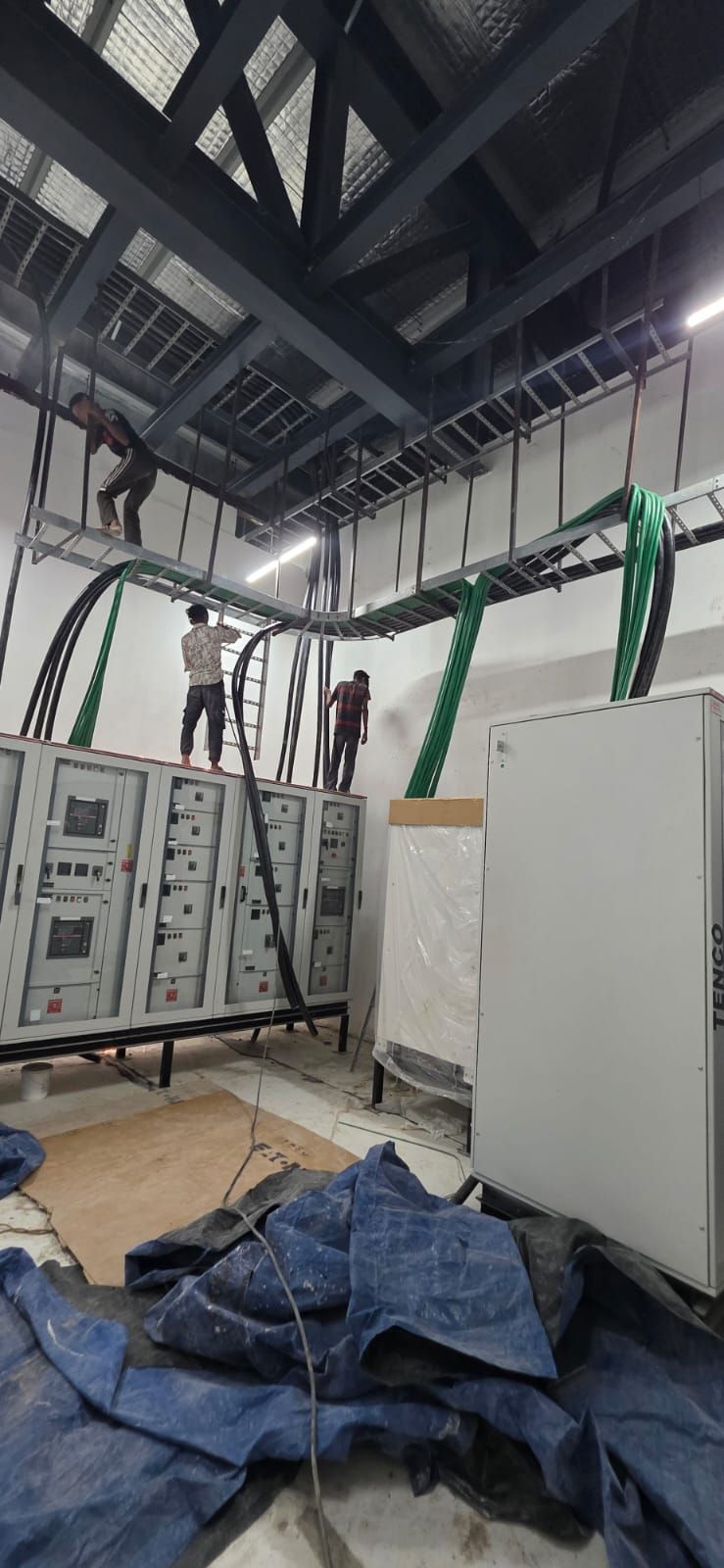
Street lights are usually fed from a feeder pillar or a dedicated lighting panel. From there, cables run to each pole.
- Choose underground armoured cable or overhead conductors as the site requires.
- Size the cable so the last pole still gets correct voltage.
- Lay underground cables at proper depth, with sand cushioning and warning tiles.
- Provide a junction box or terminal box at each pole base.
- Split long runs into separate circuits to balance the load across phases.
Neat cable laying saves trouble later. Our guide to cable laying in trenches, trays and ducts explains the methods in more detail.
Control: timers, sensors and feeder pillars
Street lights should switch on at dusk and off at dawn without anyone flipping a switch. Common control options include:
- Astronomical timers, which adjust on and off times through the year.
- Photocell sensors, which switch lights according to daylight.
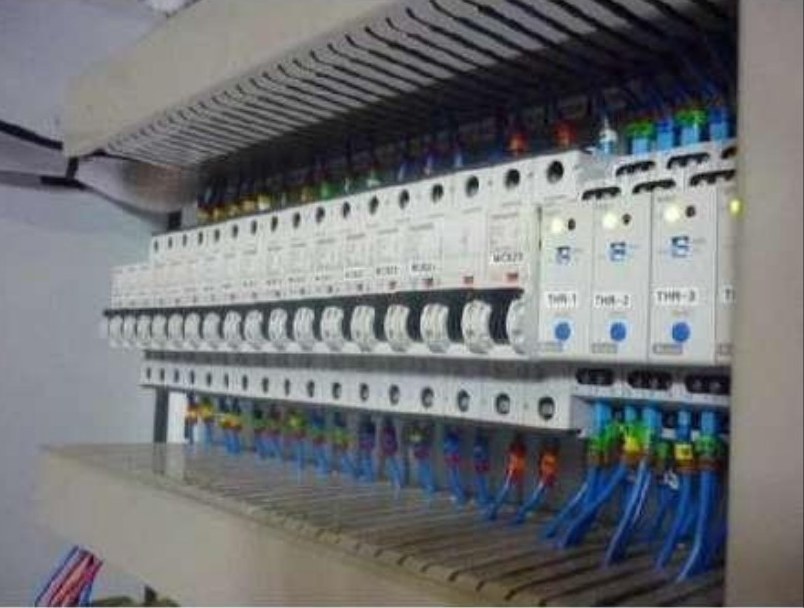
- Contactors and MCBs in the feeder pillar to control each circuit.
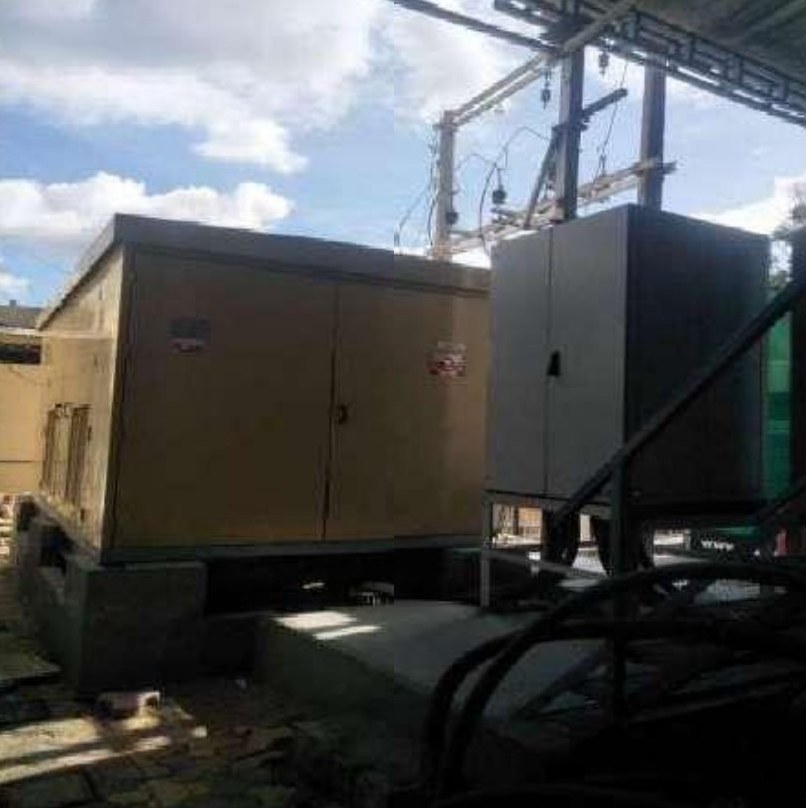
The feeder pillar is the heart of the system. It holds the incoming supply, protection, control devices and outgoing circuits. It must be weatherproof, lockable and properly earthed.
Earthing and safety
Street light poles are metal and stand in public places. Earthing protects anyone who touches a pole if a fault occurs.
- Earth every pole or provide a continuous earth conductor along the run.
- Earth the feeder pillar body and neutral as the design requires.
- Use RCCB or earth fault protection where specified.
- Keep pole junction boxes closed and secured against tampering.
Roadside work also needs public safety measures. Barricade trenches, use warning signs and work in daylight where possible.
Common problems and how to avoid them
Many street lighting complaints trace back to a few installation mistakes. Avoid these from the start:
- Cable joints made directly in the ground without proper joint kits.
- Junction boxes left open, letting in water, dust and insects.
- All lights placed on one phase, which overloads it and causes tripping.
- Poles set without a proper foundation, which lean after the monsoon.
Fixing these during street light installation in Raipur is far cheaper than repairing failed circuits once the road is open to traffic.
Before handover, the installation should be tested and checked:
- Insulation resistance of each street lighting circuit.
- Earth resistance at poles and the feeder pillar.
- Voltage at the last pole of each circuit.
- Timer or sensor operation over a full dusk-to-dawn cycle.
Record the results along with a pole layout map and circuit details.
Maintenance keeps the road lit
Even the best installation needs regular care. Dust on fittings reduces light output. Loose connections in junction boxes cause failures. Cables can be damaged by road digging or rodents.
A simple maintenance plan for street light installation in Raipur includes night patrols to spot failed lights, cleaning of fittings, checking feeder pillar contactors and timers, and re-testing earthing before the monsoon. Quick repairs keep roads safe and avoid complaints.
Next steps
Share the road length, width and layout, along with the supply point, and ask for a survey. A clear design and bill of materials makes the project easier to plan and approve.
Bari Electrical Services handles street light installation in Raipur and elsewhere, along with cable laying and MCB work, feeder pillars and earthing. Street lighting is also part of the government electrical tender work we take up. See our services, or contact us. You can also call 70006-76224 or 73890-14890.