Cables carry power from your transformer to every machine. How they are laid decides how long they last, how safe they are and how easy future changes will be. Good cable laying protects cables from mechanical damage, heat and water.
There are three main methods — trench, tray and duct — and most sites use all three. Here is when each one makes sense.
Cable laying methods compared
- Trench (direct burial): outdoor runs between buildings; low cost, but harder to inspect.
- Cable tray or ladder: inside plants and panel rooms; easy to inspect and extend.
- Duct or conduit: road crossings and high-risk areas; protected and replaceable.
Laying cables in a trench
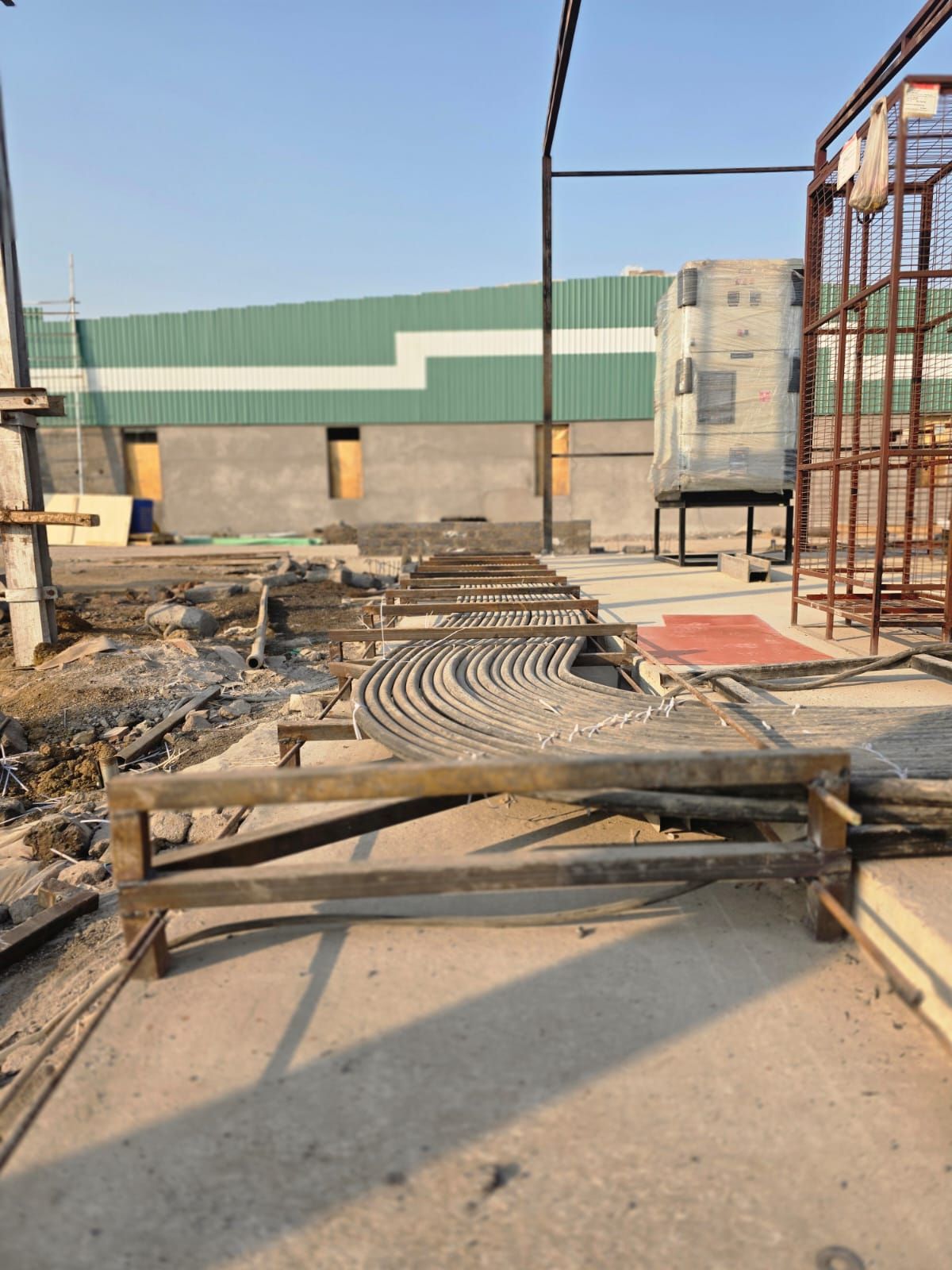
Direct burial is common for outdoor runs between buildings, transformers and panels.
Getting the trench right
- Dig to the depth the design and IS 1255 call for — deeper for HT cables than for LT.
- Lay cables on a sand bed, then cover them with more sand.
- Place protective bricks or covers and warning tape above the cables.
- Fix route markers on the surface at bends and joints.
Keep the spacing between cables as designed. Cables bunched too tightly run hotter and must be derated.
Cable trays and ladders
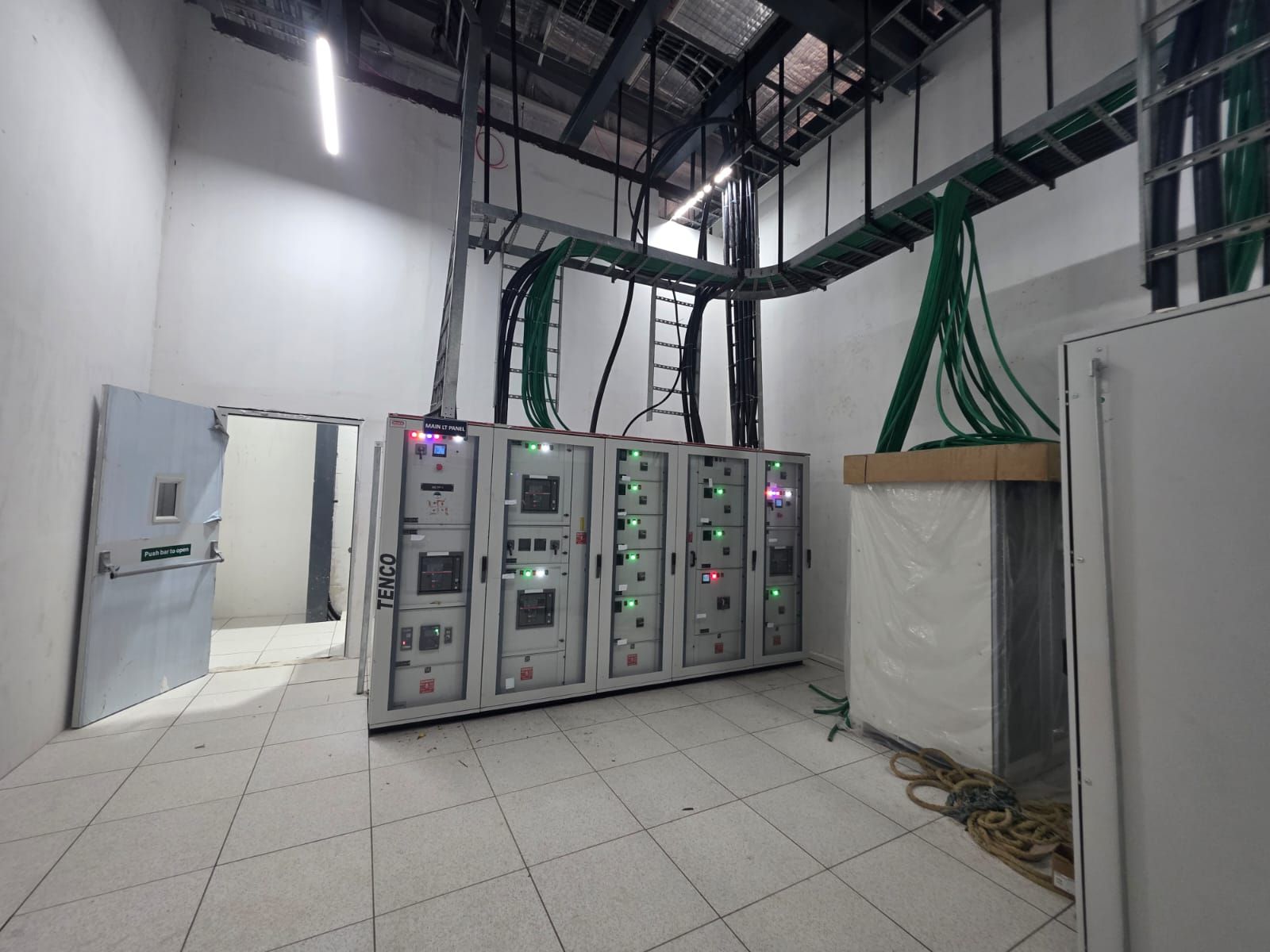
Trays and ladders are the best choice inside plants, substations and panel rooms. Cables stay visible, ventilated and easy to inspect.
- Run power and control cables on separate trays.
- Don't overfill a cable tray; leave space for heat to escape and for future cables.
- Clamp or tie cables at regular intervals, and earth the tray system.
Ducts and conduits
A duct is used for road crossings, under floors and wherever the cable needs mechanical protection. Always leave spare ducts, because adding one later means digging up the road again. Seal duct ends to keep out water and rodents.
Good practice for every cable laying job
- Respect the manufacturer's minimum bending radius at every bend.
- Pull cables over proper rollers, never dragging them over sharp edges.
- Test insulation resistance before and after laying.
- Label both ends and mark the route on a drawing.
- Where a run has to be extended, use a proper straight-through joint.
Key takeaways
The right cable laying method depends on the route: trenches for outdoor runs, trays inside buildings and ducts where cables need extra protection. Careful laying, correct spacing and good records make cables last longer and save time during future changes.
Planning a cabling job? See our cable laying service, read about packaged substations if you are adding a new supply point, or contact us for a site survey anywhere from Raipur to the rest of India.