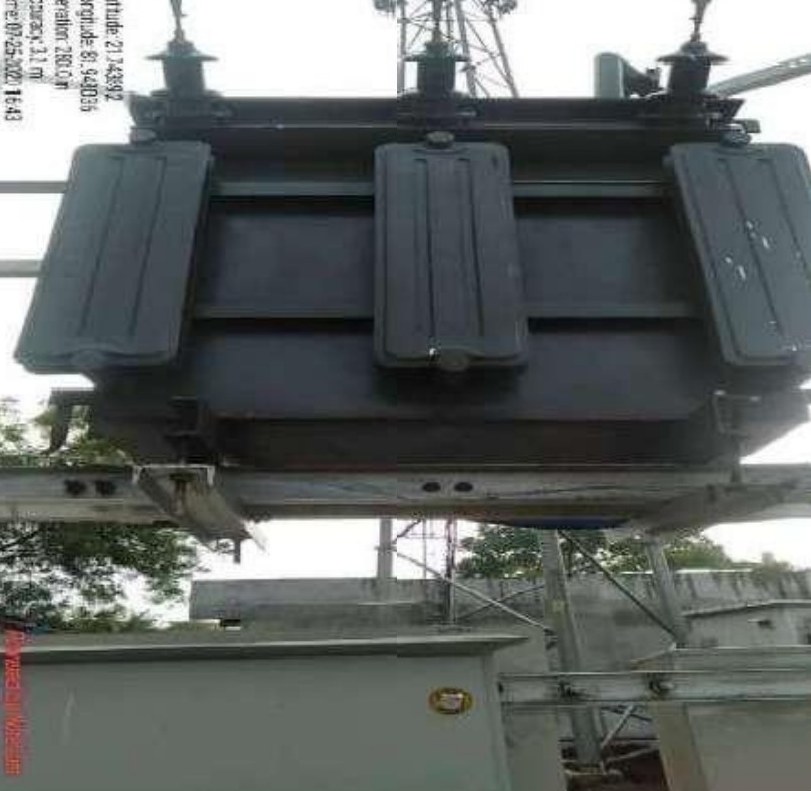
A packaged substation (PSS) is a factory-built unit with HT switchgear, a transformer and an LT panel inside one weatherproof enclosure. It arrives ready to connect, which saves time and space on site.
If you need a new power supply point and don't have the room — or the time — for a conventional outdoor yard, a packaged substation is often the better answer. Here is how to decide.
What's inside a packaged substation
- HT compartment: usually a ring main unit (RMU) or VCB panel for switching and protection.
- Transformer compartment: an oil-filled or dry-type distribution transformer.
- LT compartment: the LT panel with its incomer and outgoing feeders.
Each compartment has its own access door. The enclosure keeps out rain, dust and unauthorised people. You may also hear it called a compact substation or a unitised substation.
Where a PSS fits best
Good fit
- Commercial complexes, hospitals and housing projects.
- Small and medium plants with limited space.
- Telecom hubs and data rooms.
- Sites that need power quickly.
When a conventional yard may be better
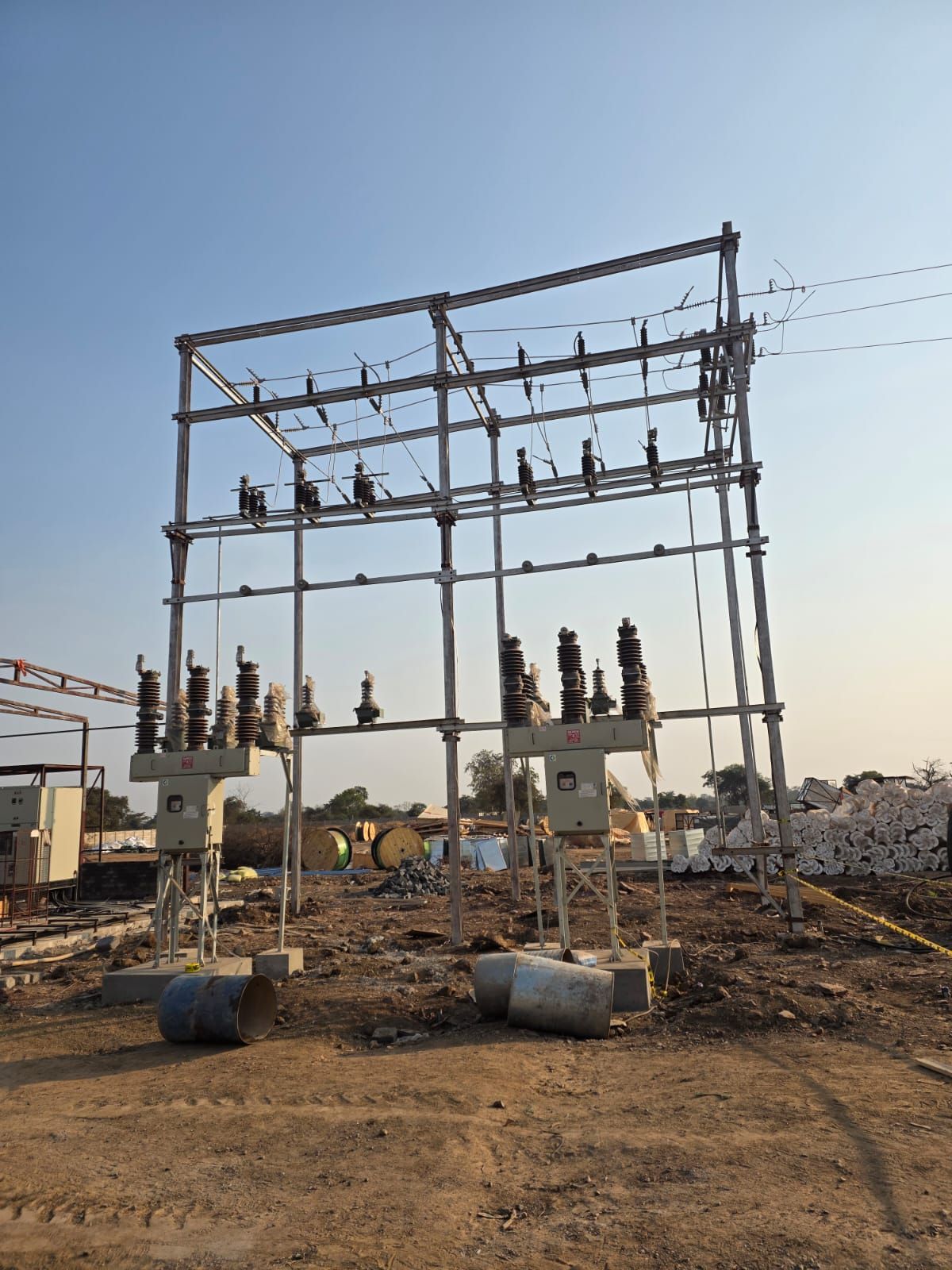
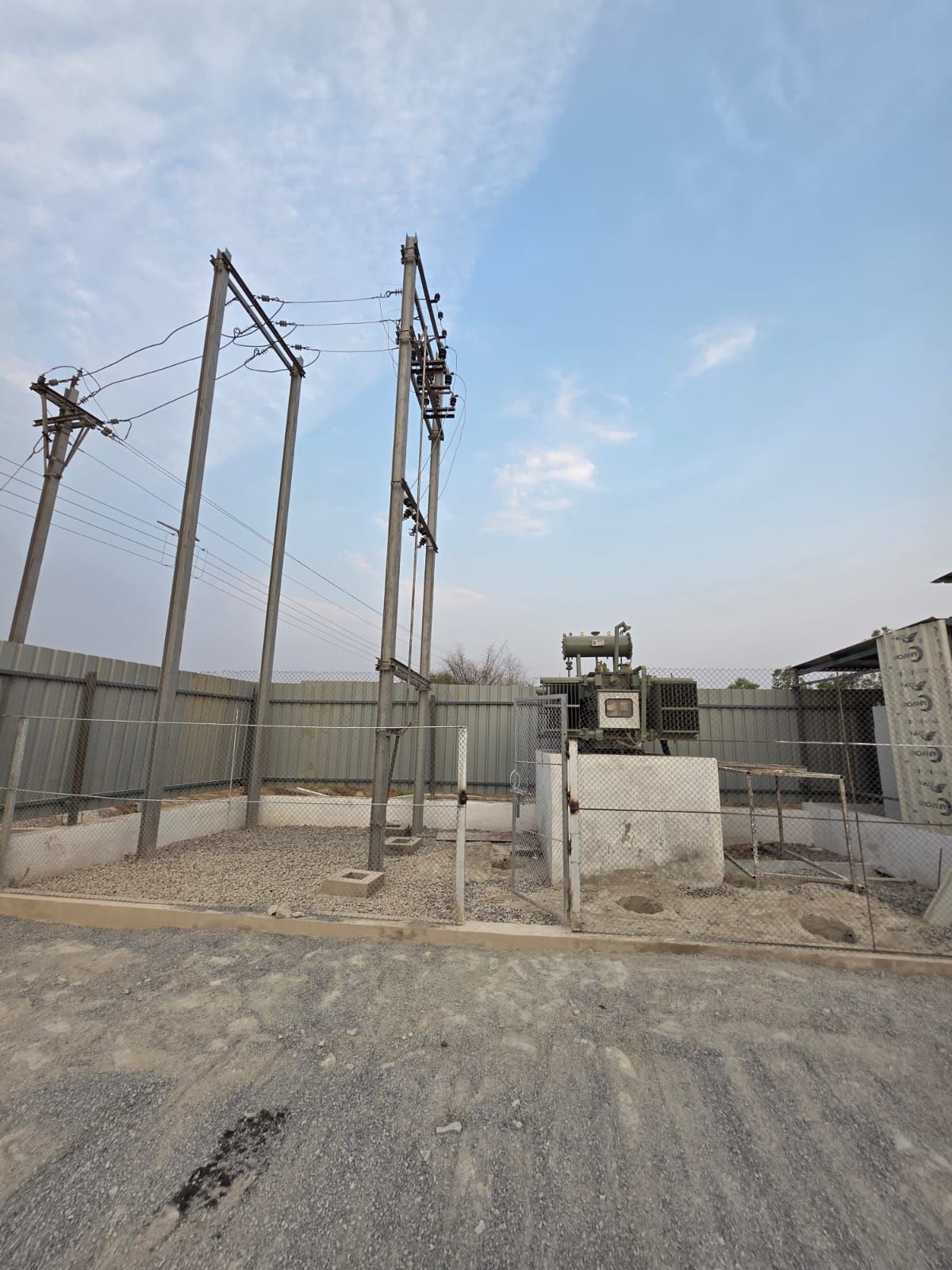
Very large ratings, plants expecting major expansion, or sites where the supply authority asks for an outdoor yard layout may still be better served by conventional equipment.
Packaged substation vs conventional yard
- Space: a PSS needs a fraction of the area.
- Civil work: one foundation instead of separate plinths, fencing and trenches.
- Time: less site work and faster commissioning.
- Safety: live parts are enclosed and interlocked.
- Flexibility: a conventional yard is easier to expand piece by piece.
What PSS installation involves
PSS installation starts with a level foundation that has cable entry openings in the right places. Then come the HT and LT connections, protection settings and a solid earthing grid. Cable laying to and from the unit is planned at the same time, so routes and entry points line up.
Before charging, the unit is tested like any substation:
- Insulation resistance of HT and LT cables and busbars.
- Transformer ratio, oil and winding checks.
- Relay settings and breaker trip tests.
- Earth resistance and bonding of the enclosure.
Looking after a PSS
A packaged substation needs less attention than an open yard, but it is not maintenance-free.
- Keep the ventilation louvres clear so the transformer stays cool.
- Check door seals and cable entry sealing before the monsoon.
- Inspect the HT and LT compartments for dust, moisture and signs of heating.
- Test the protection and earth resistance at regular intervals.
Next steps
A packaged substation gives you a complete, enclosed power supply point with less civil work and faster commissioning. It is ideal wherever space and time are short.
We install packaged substations end-to-end, from foundation to commissioning, for clients in Raipur, across Chhattisgarh and beyond. Read about our PSS installation service or request a quote.