Every distribution board relies on breakers to cut power when something goes wrong. MCB, MCCB and RCCB sound alike, but each does a different job. Choosing the wrong circuit breaker can mean nuisance tripping — or worse, no tripping at all.
The quick answer: an MCB protects small final circuits, an MCCB protects larger feeders and incomers, and an RCCB protects people from earth leakage. Most panels need a combination.
Quick comparison
- MCB: overload and short-circuit protection for final circuits, usually up to 63 A (some ranges go to 125 A).
- MCCB: the same protection for higher currents, often with adjustable trip settings.
- RCCB: earth-leakage protection only — it does not protect against overload.
- RCBO: an MCB and an RCCB combined in one device.
MCB — miniature circuit breaker
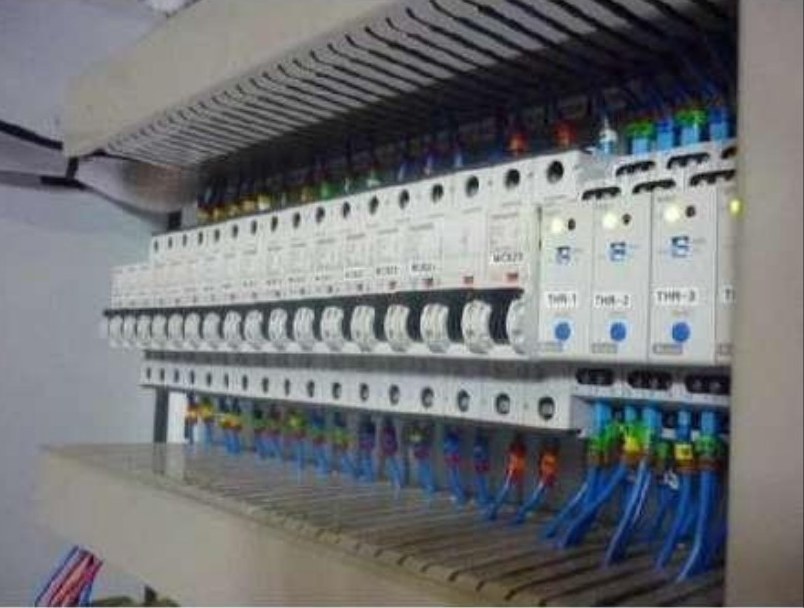
An MCB protects final circuits such as lighting, sockets and small machines. It trips on overload through a thermal element and on short circuit through a magnetic one.
Pick the right trip curve
- B curve for lighting and resistive loads.
- C curve for general and small motor loads.
- D curve for loads with high inrush, like transformers or large motors.
MCCB — moulded case circuit breaker
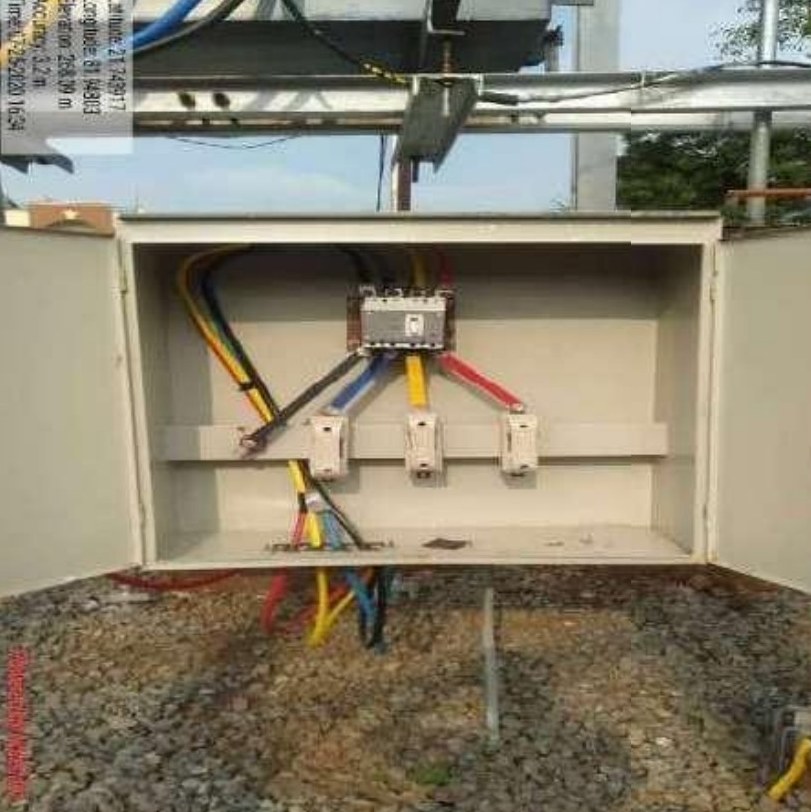
An MCCB handles higher currents and has a higher breaking capacity. It is used on main incomers, sub-main feeders and large machines in LT panels. Many models let you adjust the overload and short-circuit settings to coordinate with the breakers above and below.
RCCB — residual current circuit breaker
An RCCB compares the current going out on the phase with the current coming back on the neutral. If some is leaking to earth, through damaged insulation or a person, it trips.
- 30 mA RCCBs are used for protection against electric shock.
- 100 mA or 300 mA RCCBs are used for protection against fire caused by leakage.
An RCCB works together with a good earthing system, not instead of it. Because it does not protect against overload, it is always paired with an MCB or MCCB.
How to choose the right circuit breaker
- Know the load current and the type of load.
- Check the fault level where the breaker is installed and choose enough breaking capacity.
- Coordinate ratings so the breaker nearest the fault trips first.
- Add earth-leakage protection wherever people can touch equipment.
- Use breakers from a reputable make with matching accessories.
Key takeaways
Use MCBs for final circuits, MCCBs for incomers and large feeders, and RCCBs or RCBOs wherever earth-leakage protection is needed. The right circuit breaker in the right place keeps both people and equipment safe.
We install and dress MCB, MCCB and RCCB boards with neat cabling for plants and buildings in and around Raipur. See our MCB installation & cable laying service or contact us. If your panels are getting old, our guide to LT panel maintenance will help.