A new electrical installation can look perfect and still hide a dangerous fault. A loose busbar joint, a damaged cable or a wrong relay setting can cause a failure the moment power is switched on. That is why electrical testing and commissioning in Raipur, or anywhere else, should never be treated as a formality.
Installation, testing, commissioning and maintenance are four stages of one job. This guide explains each stage, the main tests involved and what you should receive at handover.
The four stages of an electrical job
Installation
Equipment is placed, fixed and connected as per the approved drawings. This includes panels, transformers, DG sets, cables, earthing and lighting.
Testing
Each part of the system is checked with the power off. Tests confirm insulation, continuity, earthing and correct wiring.
Commissioning
The system is energised in a controlled way, step by step. Protection, interlocks and loads are checked under real conditions.
Maintenance
After handover, regular checks keep the system safe and reliable over its life.
Skipping or rushing any stage puts the whole investment at risk.
Pre-commissioning checks
Before any test equipment comes out, the site should be inspected. A careful visual check catches many problems early.
- All equipment installed as per drawings, with correct ratings.
- Every termination tight, lugged and properly glanded.
- Earthing connections complete at panels, transformers and structures.
- Labels and feeder names matching the single line diagram.
- Covers, barriers and doors fitted, with no tools or debris left inside.
These pre-commissioning checks should be recorded on a simple checklist, signed by the contractor and the site engineer.
Key tests before energising
Several tests are standard on most HT and LT installations. The exact list depends on the equipment and the site specification.
- Insulation resistance tests on cables, busbars, motors and transformers.
- Continuity tests on earth conductors and protective circuits.
- Earth resistance tests on every earth pit.
- Polarity and phase sequence checks.
- Relay and breaker trip tests, using injection where specified.
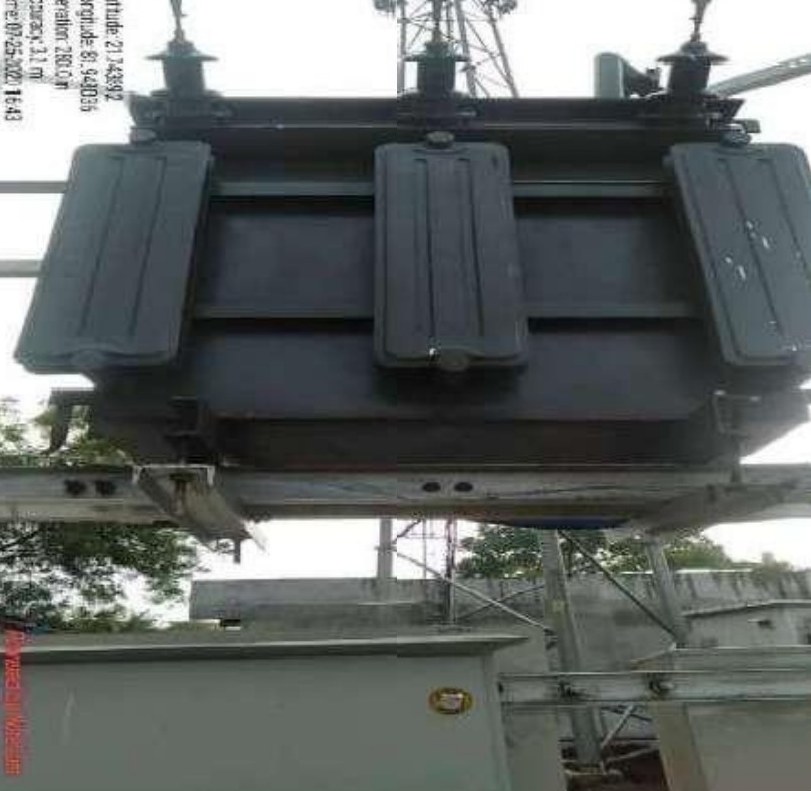
- Transformer checks such as ratio, oil level and winding insulation.
- Functional checks of interlocks, indications and alarms.
Insulation resistance readings are especially important. A low reading points to moisture, damage or poor workmanship that must be fixed before charging.
Testing and commissioning in Raipur: energising step by step
Commissioning should never mean switching everything on at once. A step-by-step approach limits the damage if something is wrong.
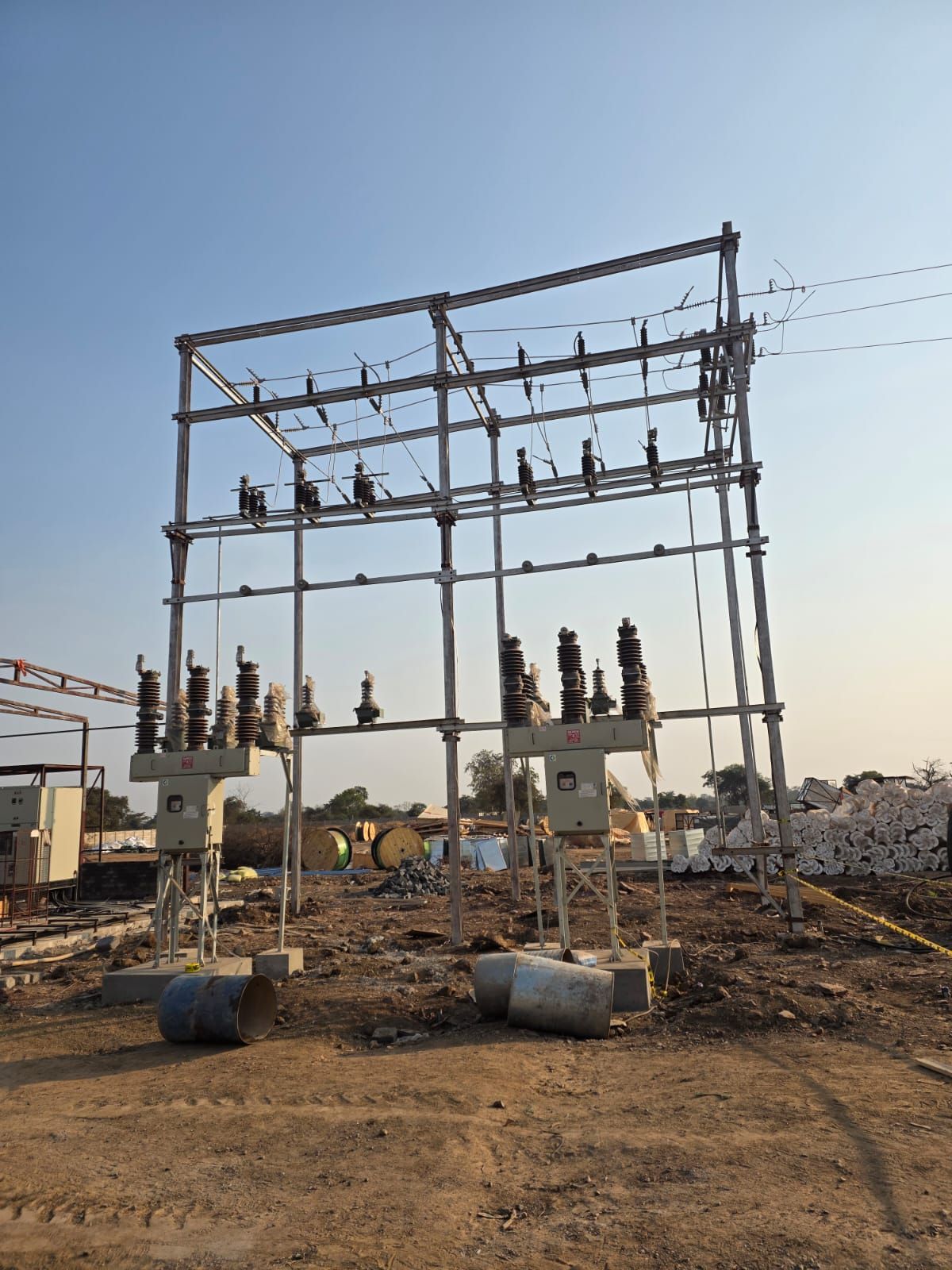
- Charge the HT side first and check the transformer on no load.
- Energise the main LT panel and check voltages on each phase.
- Switch on outgoing feeders one by one.
- Start motors without load first, checking direction and current.
- Bring loads up gradually while watching temperatures and currents.
Experienced crews stay alert during this stage. Unusual noise, smell, heat or tripping is investigated before moving on.
Trial run and performance checks
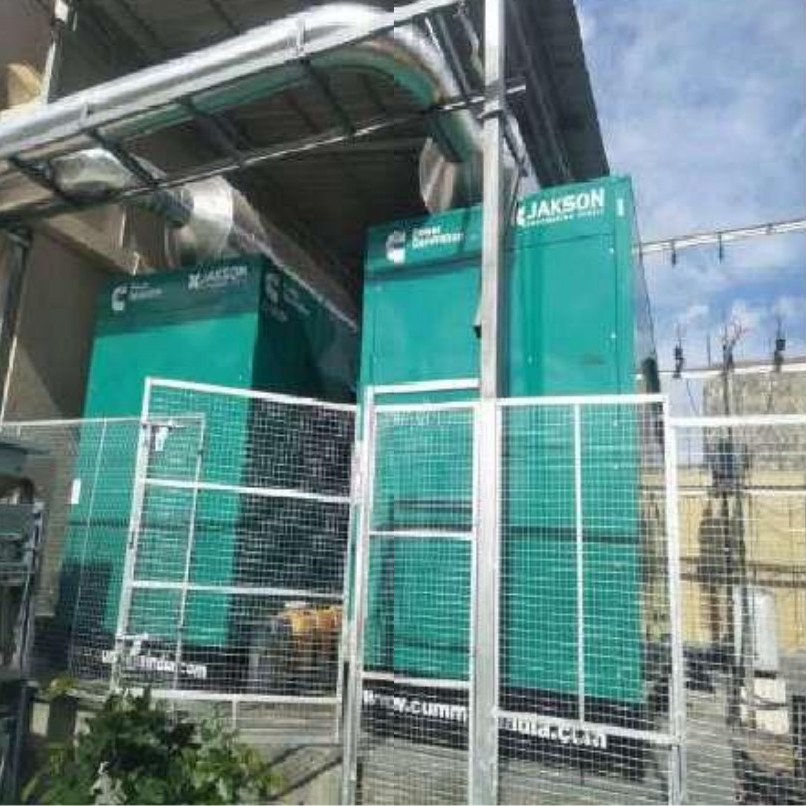
After the system is live, a trial run under normal load confirms it works as designed. Check temperatures at busbars and terminations after a few hours of running. Look at power factor and voltage at the main panel. Confirm that DG changeover and protection behave correctly. Our DG set installation checklist covers generator commissioning in detail.
Common faults found during commissioning
Even good installations throw up a few issues during commissioning. Finding them now is far better than finding them after handover. Typical faults include:
- Reversed phase sequence, which makes motors run backwards.
- Wrong CT ratios or relay settings, causing nuisance tripping.
- Loose neutral connections, which give unstable voltages.
- Damaged cable insulation from pulling or trench backfilling.
- Missing earth links at panel doors or cable trays.
Each fault should be noted, corrected and re-tested before final sign-off. Careful testing and commissioning in Raipur's hot pre-monsoon months also needs attention to cooling, because panels and transformers run hotter at that time.
Good handover documents make future maintenance and fault finding much easier. Ask for:
- Test reports with values, dates and instrument details.
- As-built drawings and an updated single line diagram.
- Cable schedules and panel schedules.
- Equipment manuals and warranty papers.
- A list of recommended spares and maintenance intervals.
Keep a copy at site and a copy in the office.
Why maintenance follows commissioning
Commissioning shows the system is healthy on day one. Maintenance keeps it that way. Panels collect dust, connections loosen with heat and vibration, and earth resistance changes with the seasons. A simple routine of cleaning, tightening, thermal checks and periodic testing prevents most breakdowns. Our LT panel preventive maintenance guide is a good starting point.
Choosing a team for testing and commissioning in Raipur
Look for a team that does installation, testing, commissioning and maintenance together. When the same crew installs and tests, they know every joint and every cable. They can also return quickly for maintenance or breakdowns.
Ask how they record test results, which tests they perform as standard, and how they handle faults found during commissioning. Clear answers are a good sign.
Next steps
Before your next project goes live, agree the test list and handover documents in advance. Build time for testing into the schedule so it is not squeezed at the end.
Bari Electrical Services provides installation, testing, commissioning and maintenance for HT and LT systems, panels and transformers. For testing and commissioning in Raipur, see our services or contact us. You can also call 70006-76224 or 73890-14890.