Choosing an electrical contractor in Raipur is one of the most important decisions for any factory, colony or commercial project. The right team keeps your power safe, your plant running and your inspection approvals on track. The wrong one leaves you with loose terminations, tripping breakers and costly rework.
This guide explains what a good contractor does, what to ask before you give the work order, and how to compare quotes fairly. It is written for owners, builders and site engineers who want a clear, practical checklist.
What an electrical contractor actually does
Many people think electrical work means only wiring. On an industrial or infrastructure site, the scope is much wider. A capable contractor usually handles:
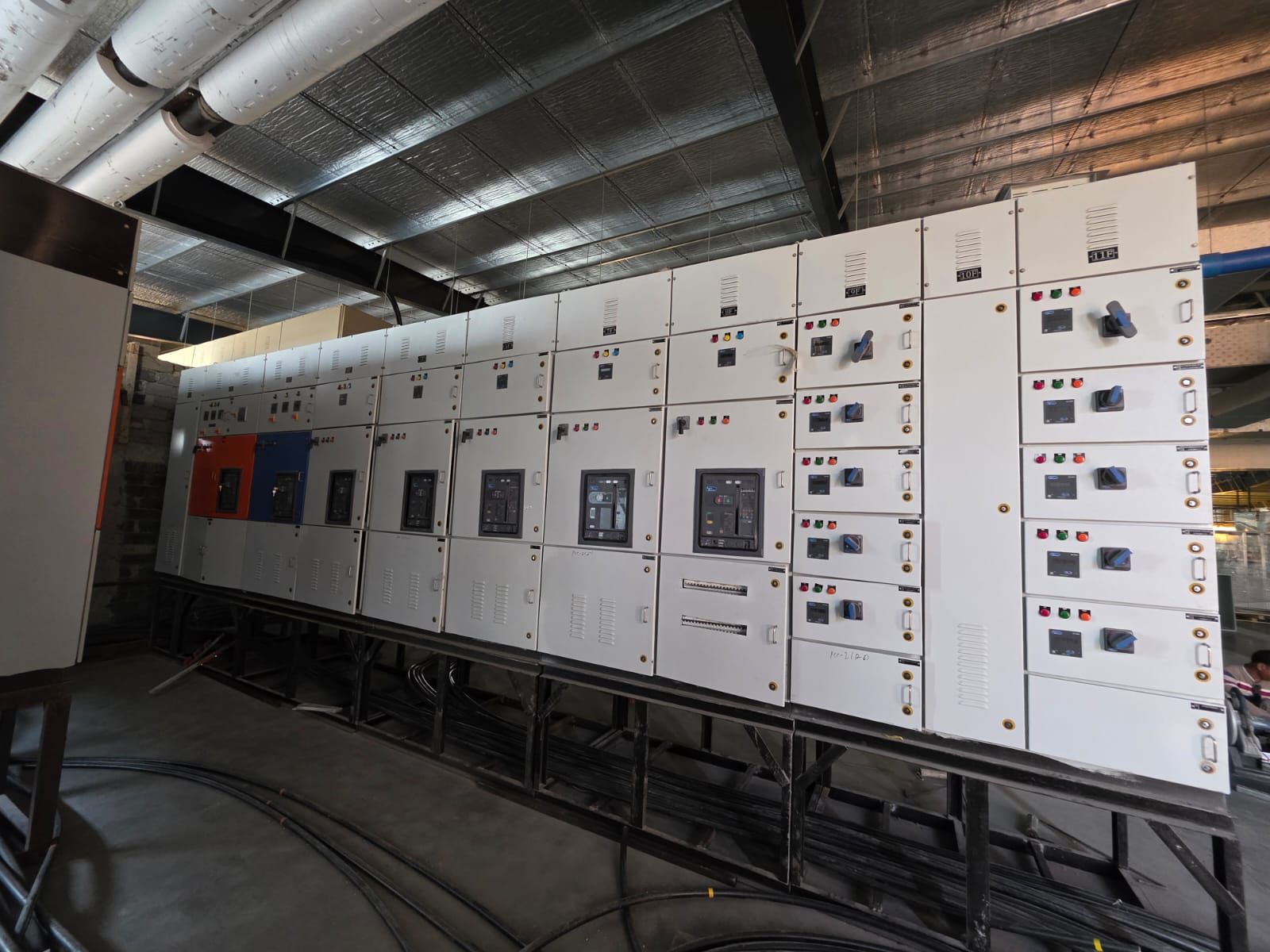
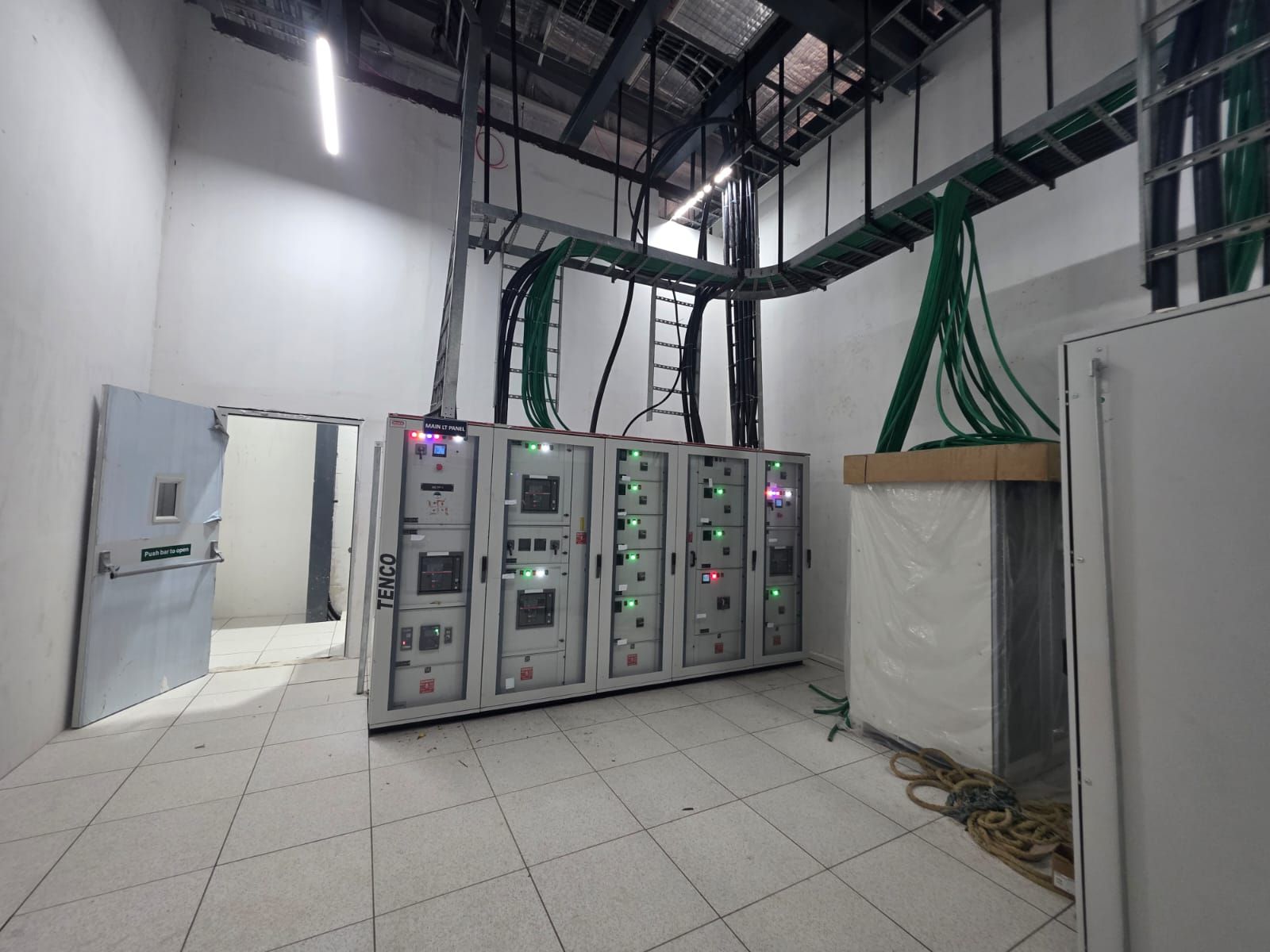
- LT work: panels, distribution boards, feeder pillars and plant wiring.
- HT work: 11 kV and 33 kV line work, HT panels and substation connections.
- Earthing and lightning protection for buildings, plants and structures.
- Transformer, DG set and packaged substation installation.
- Cable laying, jointing and terminations.
- Installation, testing, commissioning and maintenance after handover.
When one team can handle both LT and HT work, you save time on coordination. There is one point of responsibility if something goes wrong.
Why the right electrical contractor in Raipur matters
Industry in and around the city runs heavy loads. Rolling mills, sponge iron plants, power plants and housing colonies all need reliable supply. A poor installation shows up quickly as overheating, voltage drops or nuisance tripping.
A good contractor plans the job, not just the labour. They check the load, select the right cable sizes and protection, and follow safe working practice on live sites. They also prepare the documents you need for approvals and future maintenance.
Questions to ask before you hire
Before you sign anything, ask a few simple questions. The answers tell you a lot about how the team works.
- Will you do a site survey before quoting?
- Which parts of the job will your own crew handle?
- Do you work with materials we supply, or arrange approved materials?
- How do you test the installation before handover?
- What documents will we receive at the end?
- Who is our single point of contact during the job?
A contractor who answers clearly, and in writing, is usually easier to work with on site.
Look at safety practice, not just price
Electrical work is dangerous when it is rushed. Ask how the crew handles permits, isolation and lock-out on live panels. Ask whether every worker wears proper PPE. A slightly higher quote from a team that follows safety practice is often the cheaper choice in the long run.
How to compare quotes fairly
Two quotes can look very different and still cover different work. To compare them properly, line them up item by item.
- Check that both include the same cable sizes, lengths and makes.
- Confirm who supplies materials and who supplies labour.
- See whether earthing, cable trenching and civil work are included.
- Check that testing and commissioning are part of the scope.
- Look for clear payment stages linked to work completed.
If one quote is far cheaper, ask what has been left out. Often the difference is in material quality, earthing or testing, which are exactly the areas you cannot see after handover.
What a good handover looks like
The job is not finished when the last cable is connected. A proper handover protects you for years.
- Insulation resistance and earth resistance test values, recorded.
- Panel and feeder labelling that matches the drawings.
- As-built single line diagram and cable schedule.
- Clear instructions for routine checks and maintenance.
Keep these records safe. They make future fault finding, expansion and inspections much easier. Our guide to LT panel preventive maintenance shows how to use them after handover.
Red flags to watch for
Some warning signs show up early, even before work begins. Be careful if a contractor:
- Gives a lump-sum price without visiting the site.
- Cannot explain what is included and what is not.
- Avoids talking about testing or handover documents.
- Asks for most of the payment before any work starts.
None of these alone means the contractor is bad. Together, they suggest the job may not be planned properly. A reliable electrical contractor in Raipur will be happy to put the scope, price and payment terms in writing.
Local experience makes a difference
An electrical contractor in Raipur who knows local site conditions can plan better. Hot summers, heavy monsoon rain and dusty industrial areas all affect how cables, panels and earth pits should be installed. Local teams can also reach your site quickly for breakdowns and shutdown work.
That local presence matters most for maintenance. When a feeder trips at night, you want a team that can respond, not one that has to travel for a day.
Next steps
Start with a clear list of what you need: new installation, expansion, HT connection, earthing or maintenance. Share your load details and site location, then ask for a site survey and a written quote.
Bari Electrical Services works as an electrical contractor in Raipur for industrial, infrastructure and government projects. See our full range of electrical services, including LT work and HT work. To discuss your project, contact us or call 70006-76224 or 73890-14890.