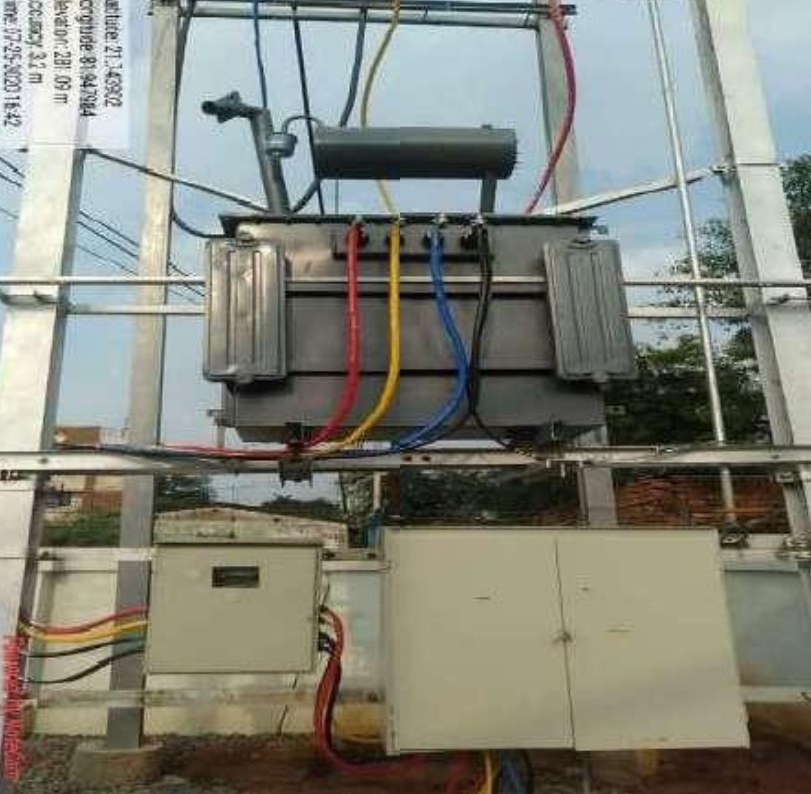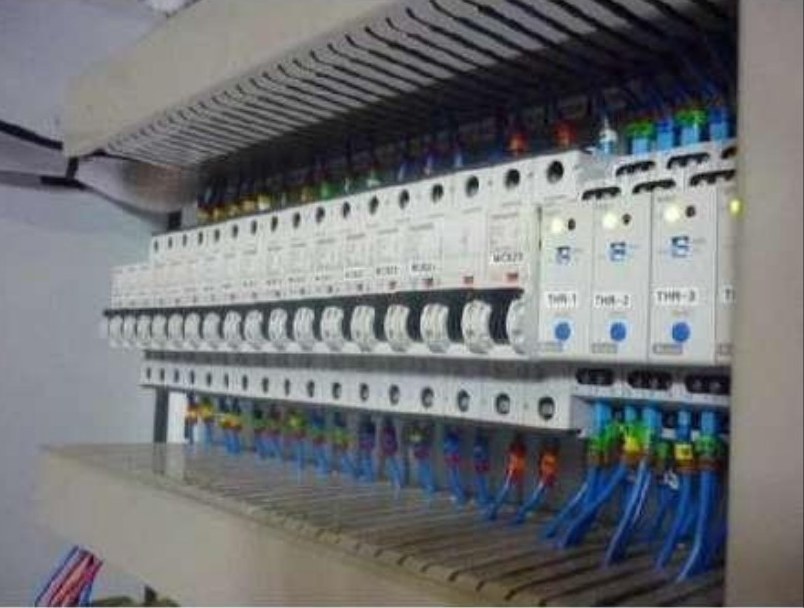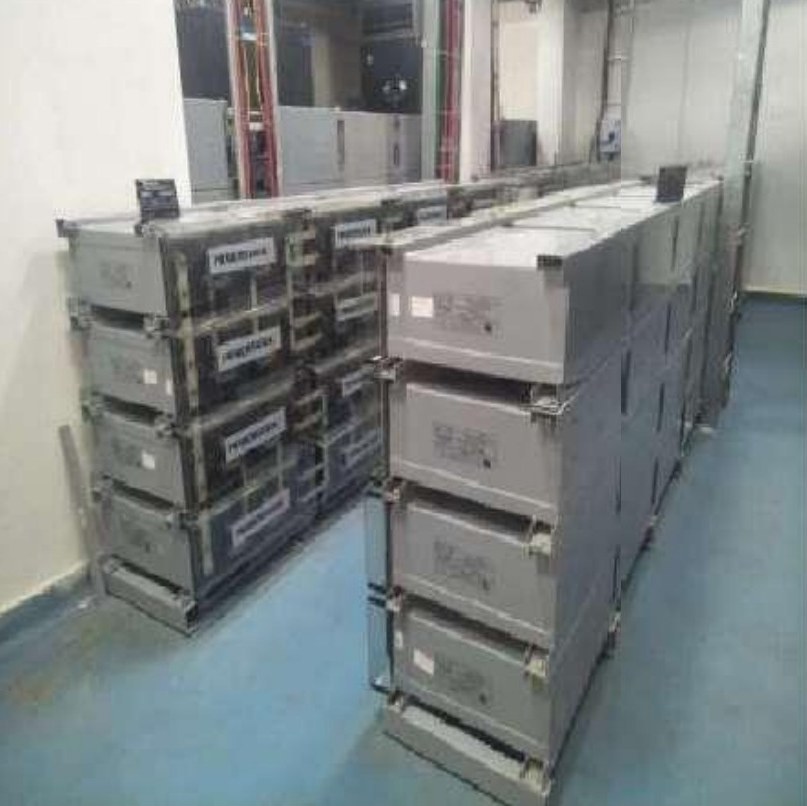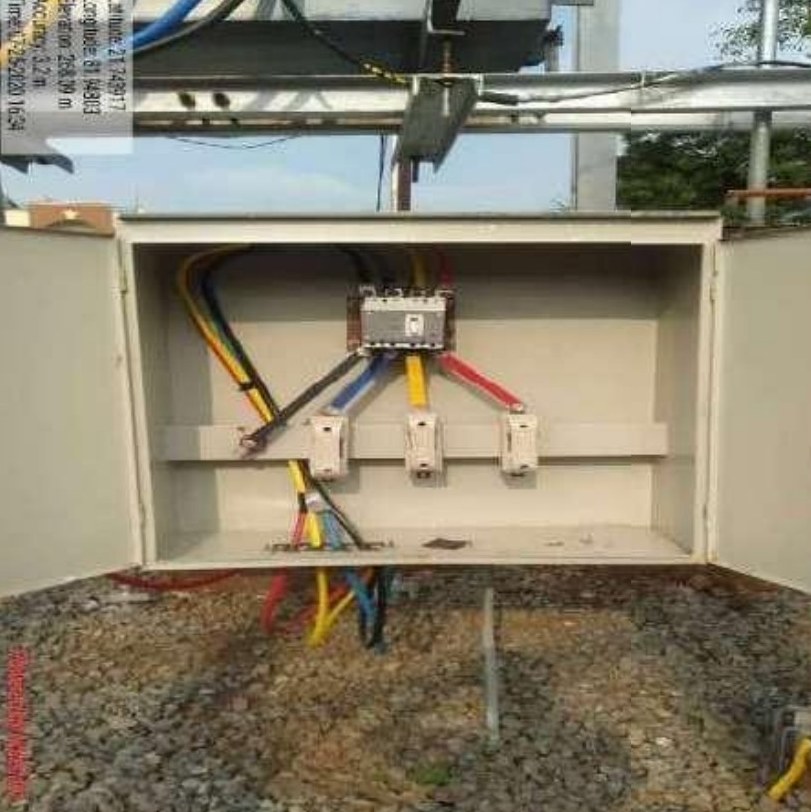
When a fault happens, earthing gives the fault current a safe, low-resistance path to ground so protective devices trip fast. Without it, that current can flow through equipment frames — or through people.
Industrial earthing is invisible once it is buried, which is exactly why it gets ignored. This guide explains what it does, the main types, and how to make sure it still works years later.
What industrial earthing actually does
Good earthing does three jobs at once:
- It protects people by keeping metal parts close to earth potential during a fault.
- It protects equipment by letting breakers and relays clear faults quickly.
- It stabilises the system by giving the transformer and DG neutral a fixed reference.
On a plant, earthing also gives lightning arresters and surge protection a path to discharge. Telecom sites rely on it to protect sensitive electronics.
Pipe, plate or chemical earthing?
Pipe and plate earthing
These are the traditional methods. A GI pipe or a copper or GI plate is buried in a pit with layers of charcoal and salt. They are proven and economical where the soil holds moisture well.
Chemical earthing
An electrode is surrounded by a conductive backfill compound. Chemical earthing holds a low, steady resistance in dry, sandy or rocky soil. It also needs far less maintenance, because there is no need to keep watering the pit.
Many sites use a mix: chemical electrodes where the soil is poor, conventional pits elsewhere.
Design the system, don't just dig pits
Industrial earthing design depends on the fault level, the soil resistivity and what is being protected. A substation needs a much lower resistance than a small distribution board. Indian practice follows IS 3043, the code of practice for earthing, and your designer or supply authority sets the target value.
Separate, clearly marked earth pits are commonly provided for the transformer neutral, the DG neutral and equipment bodies. They are then bonded together as the design requires.
Bond everything that should be bonded
Panels, cable trays, DG sets, transformer bodies, steel structures and lightning arresters all need to be bonded into the earthing system. One missed connection can defeat the whole design. Use proper lugs and clamps, and protect every joint from corrosion.
Test earth resistance — don't assume
Earth resistance changes with the seasons and with soil moisture. A pit that tested well in the monsoon can be much worse in May.
- Measure each earth pit at installation and record the value.
- Re-test periodically, ideally just before the dry season.
- Check the continuity of bonding conductors at panels and structures.
- Inspect pit chambers for damage and corrosion.
Keep a simple register so you can see when a pit is drifting out of range.
Key takeaways
Industrial earthing protects people, equipment and data, but only if it is designed for the site, bonded completely and tested regularly. Chemical earthing is worth considering wherever the soil is dry or rocky.
Our earthing service covers design, installation and earth resistance testing for plants, substations and telecom sites, from Raipur to the rest of India. Pair it with our guide to LT panel maintenance, or contact us to plan your earthing.