Every monsoon brings thunderstorms, and every storm puts tall buildings, plant structures and power equipment at risk. Good earthing and lightning protection in Raipur keeps people safe, stops expensive equipment from failing and keeps production running after a strike.
Earthing and lightning protection are closely linked. One handles fault current from your electrical system. The other safely carries a lightning strike into the ground. Both depend on a well-built earthing network. This guide explains how they work together and what to check on your site.
Why earthing and lightning protection in Raipur matter
Central India sees intense pre-monsoon and monsoon storms. Industrial areas have tall chimneys, silos, steel structures and overhead lines. These are natural targets for lightning.
Without protection, a strike can:
- Damage transformers, panels and control electronics.
- Start fires in buildings and cable trenches.
- Cause dangerous step and touch voltages for people nearby.
- Shut down production for days while equipment is repaired.
A properly designed system does not stop lightning. It gives the strike a safe, planned path to earth, away from people and equipment.
The parts of a lightning protection system
A conventional lightning protection system has three main parts. Each must be installed and connected correctly.
Air terminals
These are the rods or conductors at the highest points of a building or structure. They intercept the strike. Their number and position depend on the size and shape of the structure.
Down conductors
These carry the lightning current from the air terminals down to the ground. They should take the most direct route, with few bends, and be firmly fixed to the structure.
Earth termination
The down conductors end in earth pits or an earth ring. This is where lightning protection meets your electrical earthing. A low and stable earth resistance is essential.
The Indian standard for lightning protection is IS/IEC 62305. Your designer uses it to assess risk and decide the level of protection your site needs.
Earthing: the foundation of the system
Electrical earthing protects against faults inside your installation. When insulation fails, earthing lets the fault current flow safely so breakers and relays trip quickly. Read more in our guide to why industrial earthing matters.
Common methods include:
- Pipe earthing with a GI pipe in a treated pit.
- Plate earthing with a copper or GI plate.
- Chemical earthing with a conductive backfill compound, useful in dry or rocky soil.
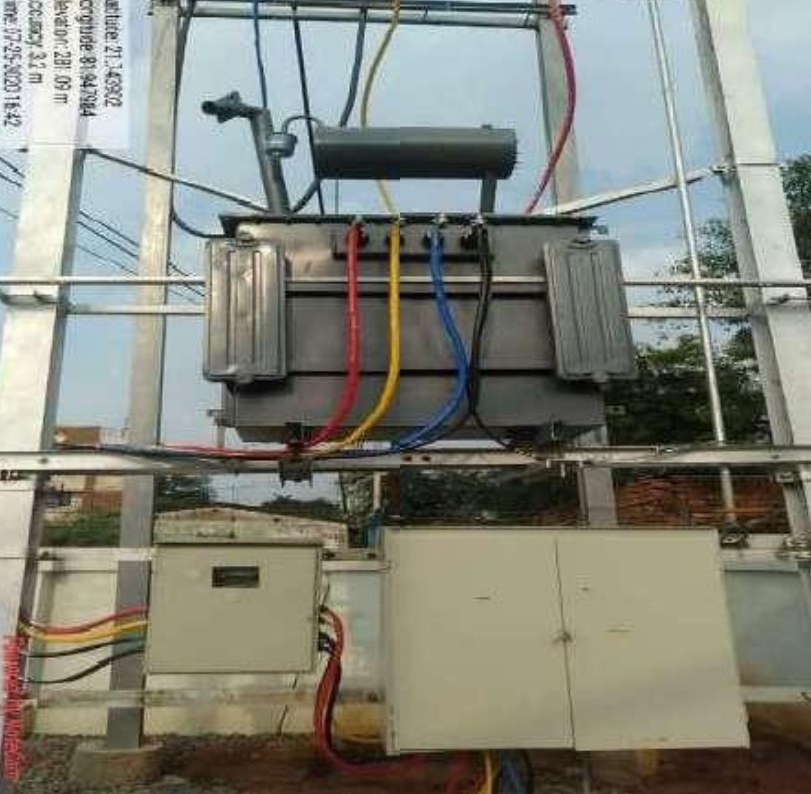
Transformer neutrals, DG neutrals, panel bodies, cable trays and structures all need proper earthing. The lightning arrester on HT equipment must also be bonded to a suitable earth pit.
Bonding: connect everything that should be connected
A gap in bonding can make a good design useless. During a strike, unbonded metal parts can rise to different voltages and cause flashovers.
- Bond structural steel, cable trays and pipework to the earthing system.
- Connect lightning protection earth pits to the main earthing network as the design requires.
- Use proper clamps and lugs, and protect joints from corrosion.
- Add surge protection devices to protect sensitive panels and electronics.
Surge protection for panels and electronics
A direct strike is not the only risk. Lightning that hits a nearby line or structure can send a surge through cables into your building. These surges damage drives, PLCs, communication equipment and computers, often without any visible sign on the outside.
Surge protection devices, or SPDs, limit these spikes. They are usually installed at the main LT panel and at sub-panels that feed sensitive loads. They only work well when they are connected to a good earth with short, direct leads. A long, looping earth lead can make an SPD almost useless.
Common mistakes on site
Many earthing and lightning protection problems come from small shortcuts during installation. Watch out for these:
- Down conductors with sharp bends or loops, which raise the impedance of the path.
- Earth pits placed where soil is dry, filled-in or covered by concrete.
- Joints made by simple twisting instead of proper clamps or welding.
- Lightning protection earth left separate when the design needs it bonded.
- No test records, so nobody knows when values start to drift.
Each of these is easy to avoid when the system is planned before construction work closes up walls, trenches and floors. Planning earthing and lightning protection in Raipur at the design stage is always cheaper than retrofitting it later.
Testing and maintenance
Earth resistance changes with soil moisture. A pit that tests well in August can be much worse in May. That is why regular testing matters.
- Measure earth resistance at installation and record each value.
- Re-test before the monsoon, when storms begin.
- Check down conductors and joints for damage or theft.
- Inspect earth pit chambers and keep them accessible.
For earthing and lightning protection in Raipur, a pre-monsoon inspection each year is a sensible routine. Fix any loose joints or high readings before storm season starts.
Next steps
Start with a simple walk-round of your site. Note the tallest structures, the main panels and the existing earth pits. Then ask for a survey and a written proposal.
Bari Electrical Services designs, installs and tests earthing and lightning arrester bonding for plants, colonies, substations and buildings. Browse our services, or contact us to plan earthing and lightning protection in Raipur. You can also call 70006-76224 or 73890-14890.