Steel, power and process plants run around the clock. A single electrical failure can stop a furnace, a rolling line or a kiln and cost lakhs in lost production. That is why choosing an industrial electrical contractor in Raipur is very different from hiring someone for a house or a shop.
Industrial sites have high fault levels, large motors, harsh conditions and strict safety needs. This guide explains what the electrical scope looks like in a typical plant, and what to expect from a contractor who works in heavy industry.
Types of industrial projects
Industrial electrical work covers a wide range of sites. Each has its own challenges.
- Rolling mills, with large motors, drives and frequent load swings.
- Sponge iron plants, with kilns, conveyors, fans and dusty conditions.
- Power plants, with auxiliary supplies, switchyards and critical feeders.
- Process and manufacturing units, with many small motors and control circuits.
- Industrial colonies and townships, with distribution, street lighting and housing supply.
- Transmission and distribution work that feeds these sites from the grid.
Each type needs careful planning of supply, protection and earthing, matched to how the plant actually runs.
What an industrial electrical contractor in Raipur handles
A full industrial scope usually starts at the HT supply and ends at each motor and machine. Typical work includes:
HT side
HT lines, switchyard structures, HT panels and VCBs, and transformer HT connections at 11 kV or 33 kV.
LT side
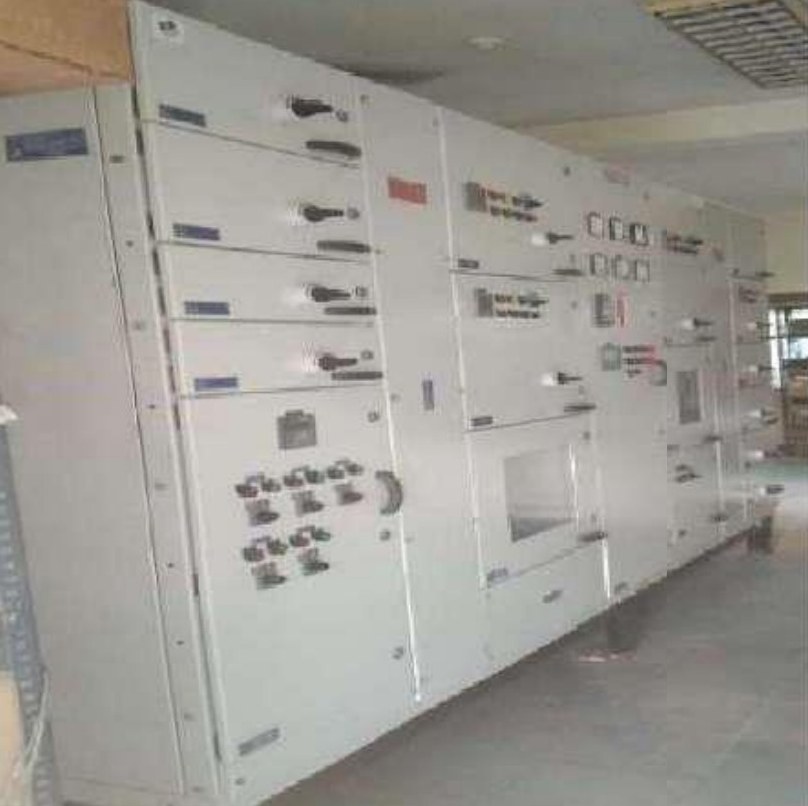
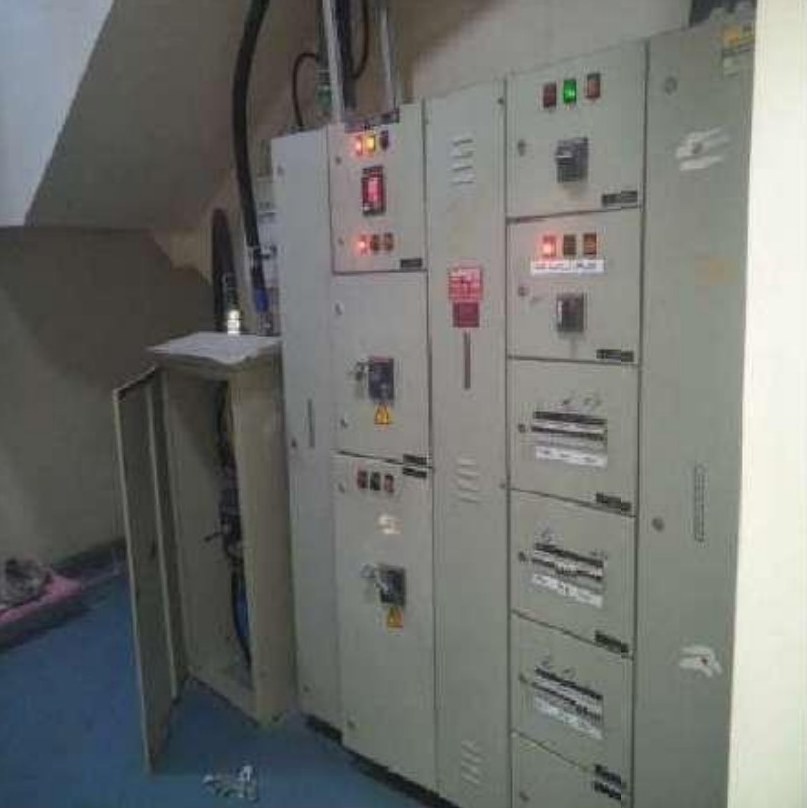
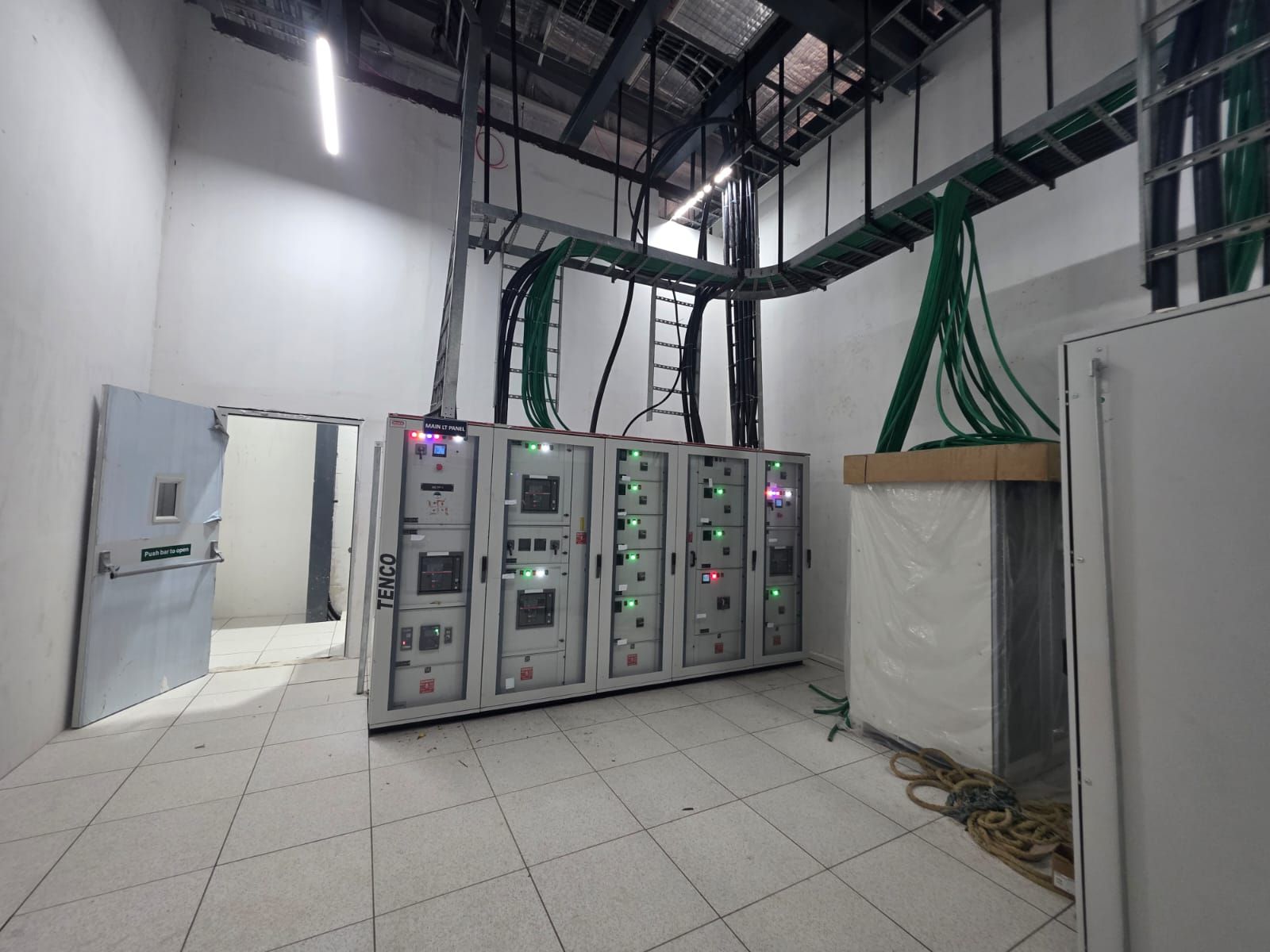
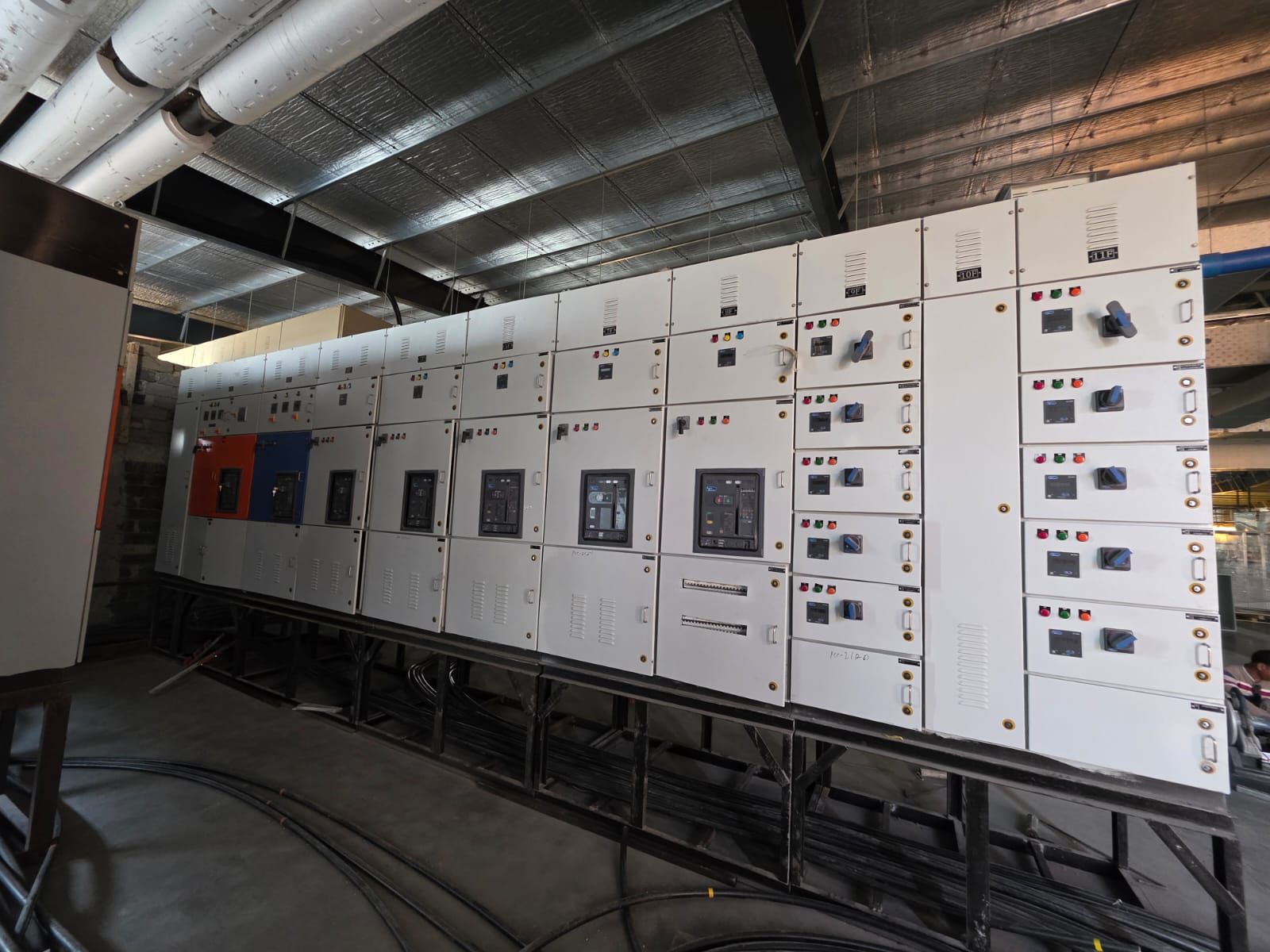
Main PCC panels, motor control centres, distribution boards, APFC panels and feeder pillars.
Cabling
Power and control cables on trays, in trenches or through ducts, with proper glanding, lugging and tagging.
Earthing and protection
Equipment earthing, lightning protection for tall structures, and surge protection for control systems.
Testing and commissioning
Insulation tests, earth resistance tests, relay checks and trial runs before handover.
Challenges unique to heavy industry
Industrial sites are hard on electrical equipment. A contractor must design and install for these conditions.
- Dust and heat, which clog panels and cause insulation to age faster.
- Vibration from mills and crushers, which loosens connections over time.
- Large motor starting currents, which cause voltage dips if cables are undersized.
- High fault levels, which need breakers and busbars rated correctly.
- Continuous operation, which leaves only short windows for maintenance.
Experienced teams plan cable routes away from heat sources, choose panel enclosures suited to dust, and torque every termination properly.
Power quality in industrial plants
Heavy loads affect the quality of power inside the plant. Drives, furnaces and welding sets create harmonics and sudden load swings. Large motors draw high current when they start. If the system is not designed for this, you see flickering lights, overheating cables and unexplained breaker trips.
A few practical measures help a lot:
- APFC panels to keep power factor high and avoid penalties on the bill.
- Correctly sized cables, so voltage drop stays within limits during motor starting.
- Soft starters or drives for large motors, where the process allows.
- Separate feeders for sensitive control loads, away from heavy machines.
Your contractor should look at the existing loads before adding new ones. A quick load survey shows whether the transformer, busbars and main cables can take the extra demand. When you plan expansion with an industrial electrical contractor in Raipur, ask for this check at the start, not after the new machine trips the incomer.
Plants have many hazards at once: live panels, moving machinery, hot surfaces and heavy lifting. Electrical crews must follow the plant's permit system as well as their own safety practice.
- Permit-to-work and lock-out before any panel or motor is touched.
- PPE for every crew member, suited to the job.
- Proving dead and earthing before work on HT equipment.
- Clear barriers and signs around open trenches and live work.
A good industrial electrical contractor in Raipur treats the plant's safety rules as part of the job, not an obstacle to it.
Planning shutdown and maintenance work
Many plants schedule an annual or quarterly shutdown. This is the best time for panel cleaning, busbar tightening, relay testing and earthing checks. Planning these jobs in advance, with materials and manpower ready, makes the most of a short window. Our checklist for LT panel preventive maintenance is a useful starting point for your shutdown list.
Breakdown support matters too. A contractor with a local team can reach the site quickly when a feeder trips or a motor cable fails.
Documents every plant should keep
Good records save time in every future job. Ask your contractor to hand over:
- Updated single line diagrams and panel schedules.
- Cable schedules showing routes, sizes and lengths.
- Test reports for insulation, earth resistance and protection.
- A list of spares and recommended maintenance intervals.
Key takeaways
Heavy industry needs a contractor who understands both HT and LT systems, works safely inside a running plant and leaves clear records. Plan new work around production, use shutdowns well and keep earthing and protection in good condition.
Bari Electrical Services is an industrial electrical contractor in Raipur working on industrial electrical projects, including plant supply, panels, cabling and earthing. Read about our LT work and HT work, browse all services, or contact us. You can also call 70006-76224 or 73890-14890.